SHARP INDUSTRIAL
Technical blog
Practical guides to materials, maintenance and industrial knife applications.
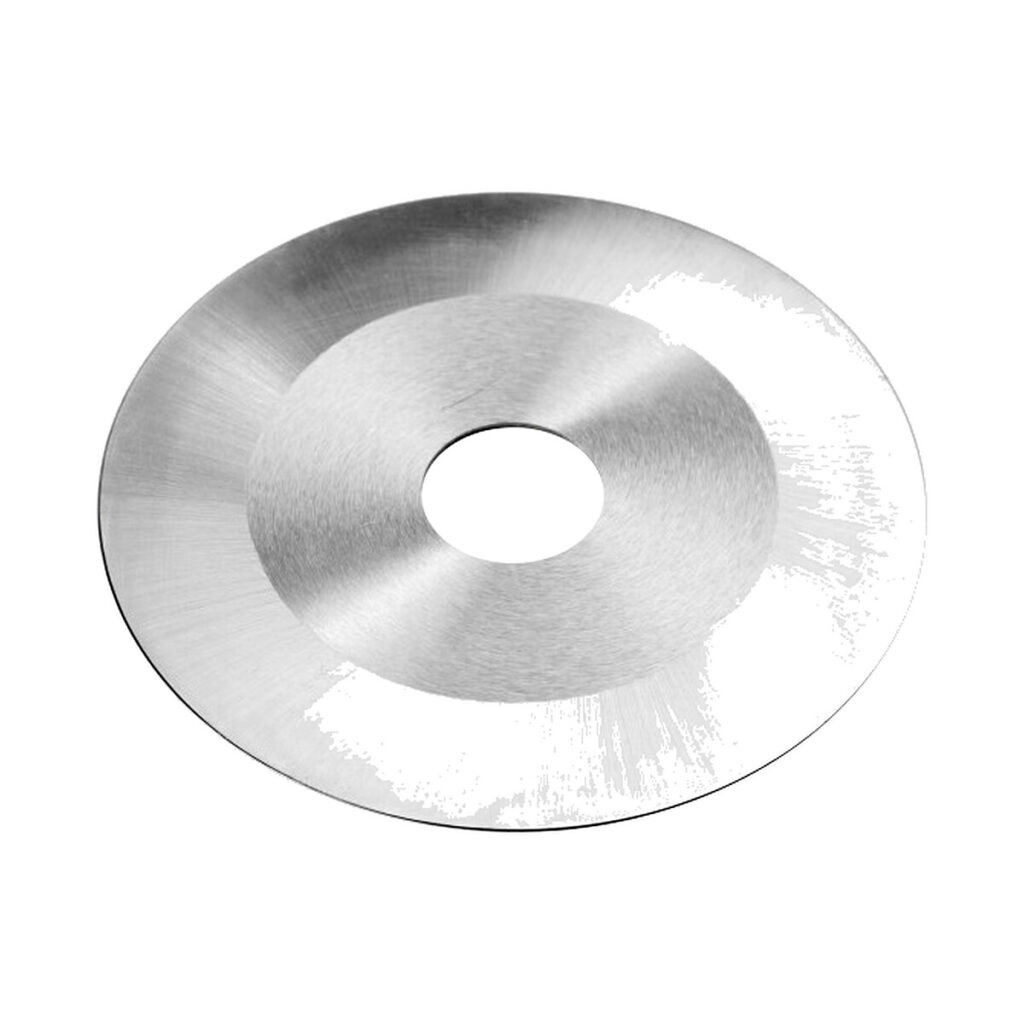
Circular blades: control the quality of the longitudinal cut
Industrial circular knives are used in longitudinal cutting operations of continuous materials.
Read article →When to sharpen and when to replace an industrial blade
Practical criteria for deciding whether a mill, crusher or guillotine blade can be resharpened or must be manufactured anew.
Read article →Screens and grills for mills and crushers: how to choose them
How to choose drilling diameter, thickness, material and geometry of screens for granulating and crushing mills.
Read article →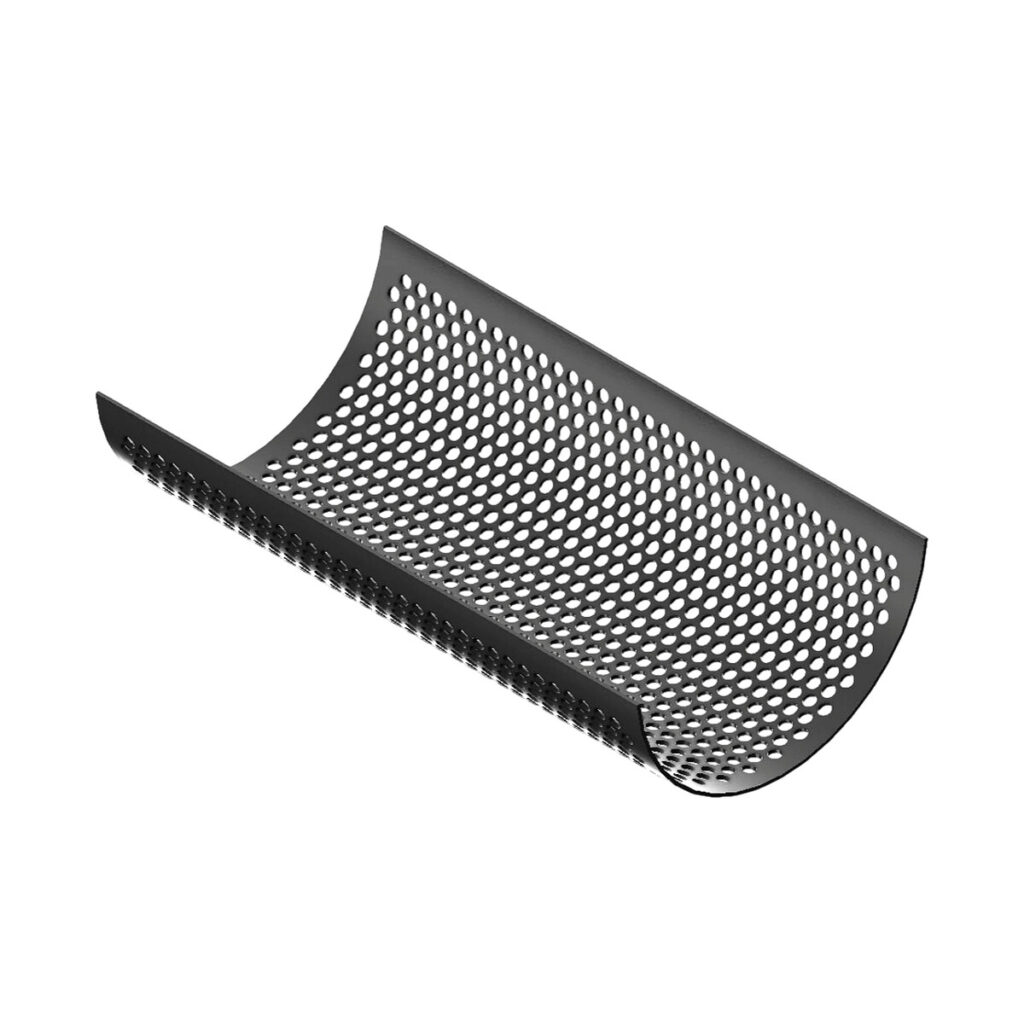
Anti-wear screens: material, manufacturing and replacement control
Mill and crusher screens receive abrasion, impacts and assembly efforts. A correct replacement combines material, perforation, thickness and support geometry. Choosing solely by hole size can alter…
Read article →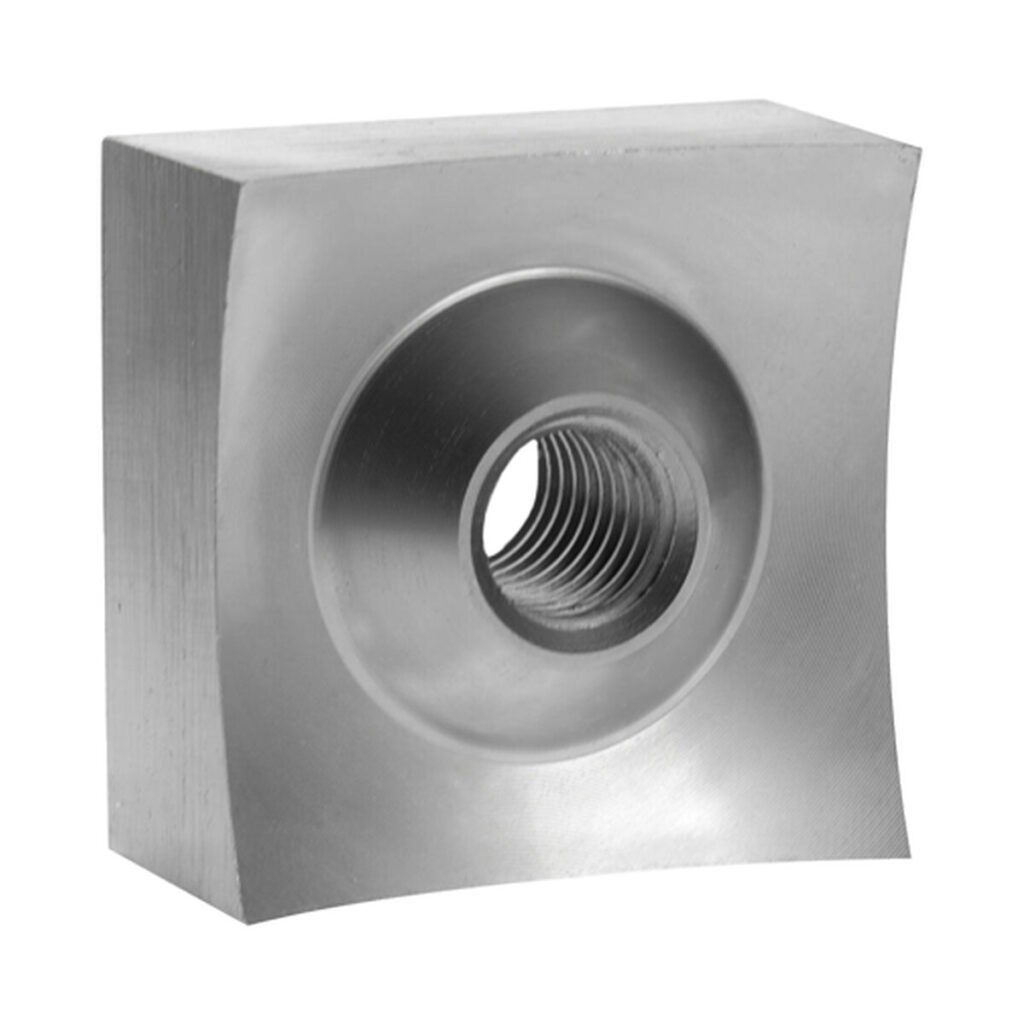
Cost per ton of blades: compare more than price
The purchase price of an industrial blade alone does not express its cost of use. To compare recycling alternatives, relate the cost of the kit to the…
Read article →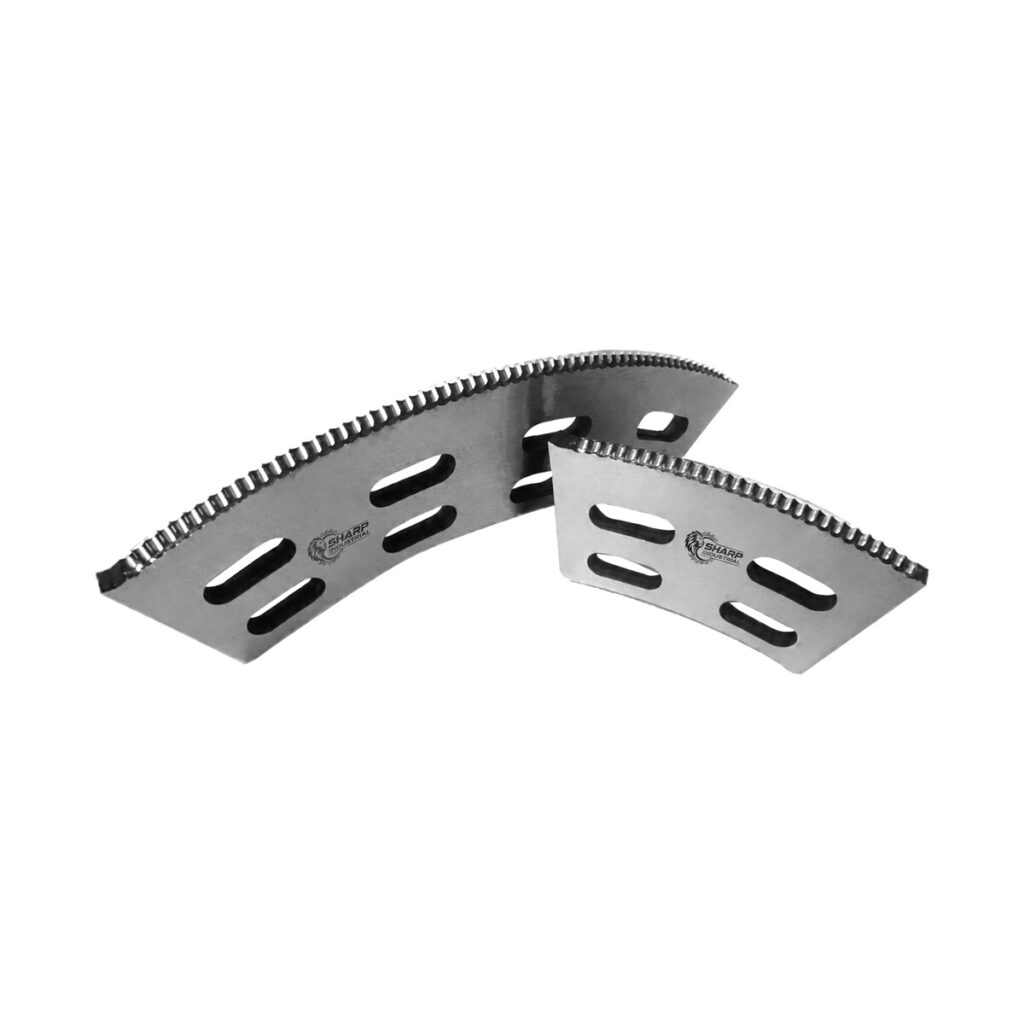
Cutting paper and cardboard: reduce dust and uneven edges
When cutting paper and cardboard, dust and jagged edges can affect cleanliness, presentation, and subsequent operations.
Read article →How to improve the performance of a plastic shredder
Factors that improve the production of a plastic shredder: condition of blades, geometry, screen, feeding and separation.
Read article →How to identify an industrial blade without reference or plan
Data and photographs necessary to identify or manufacture an industrial blade when there is no reference, plan or manual.
Read article →How to choose the right steel for industrial knives
Guide to select 1.2379, 1.2080, S5 and 1.7131 steels according to abrasion, impact, processed material and maintenance.
Read article →