SHARP INDUSTRIAL
Technical blog
Practical guides to materials, maintenance and industrial knife applications.
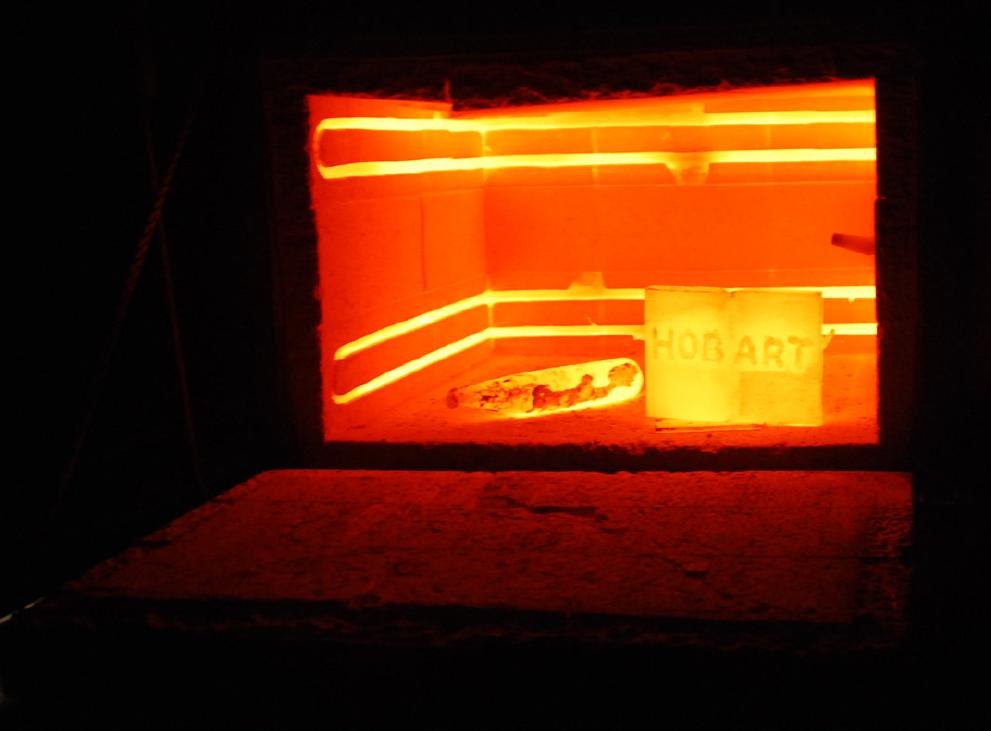
Heat treatment of industrial knives: checks for each batch
Hardening, tempering and dimensional control: what information should be reviewed when purchasing or manufacturing industrial blades.
Read article →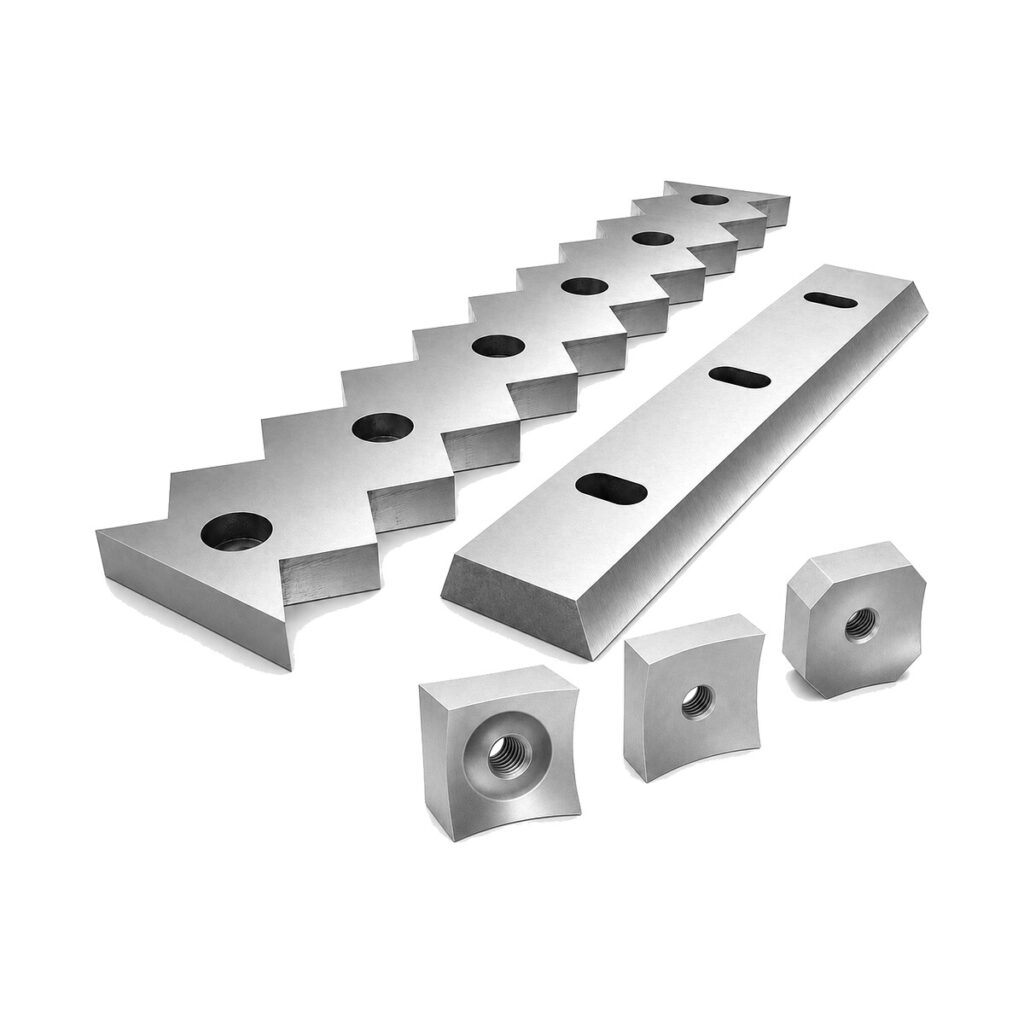
Industrial blade wear: distinguishing abrasion, chipping and plastic deformation
Industrial blade wear does not always call for higher hardness. Learn to distinguish abrasion, edge chipping and plastic deformation before selecting a replacement.
Read article →
ZERMA GSH: demanding granulation and choice of blades
In industrial granulation, the rotor and blades must correspond to the size and behavior of the material. ZERMA's GSH range allows you to analyze a construction intended…
Read article →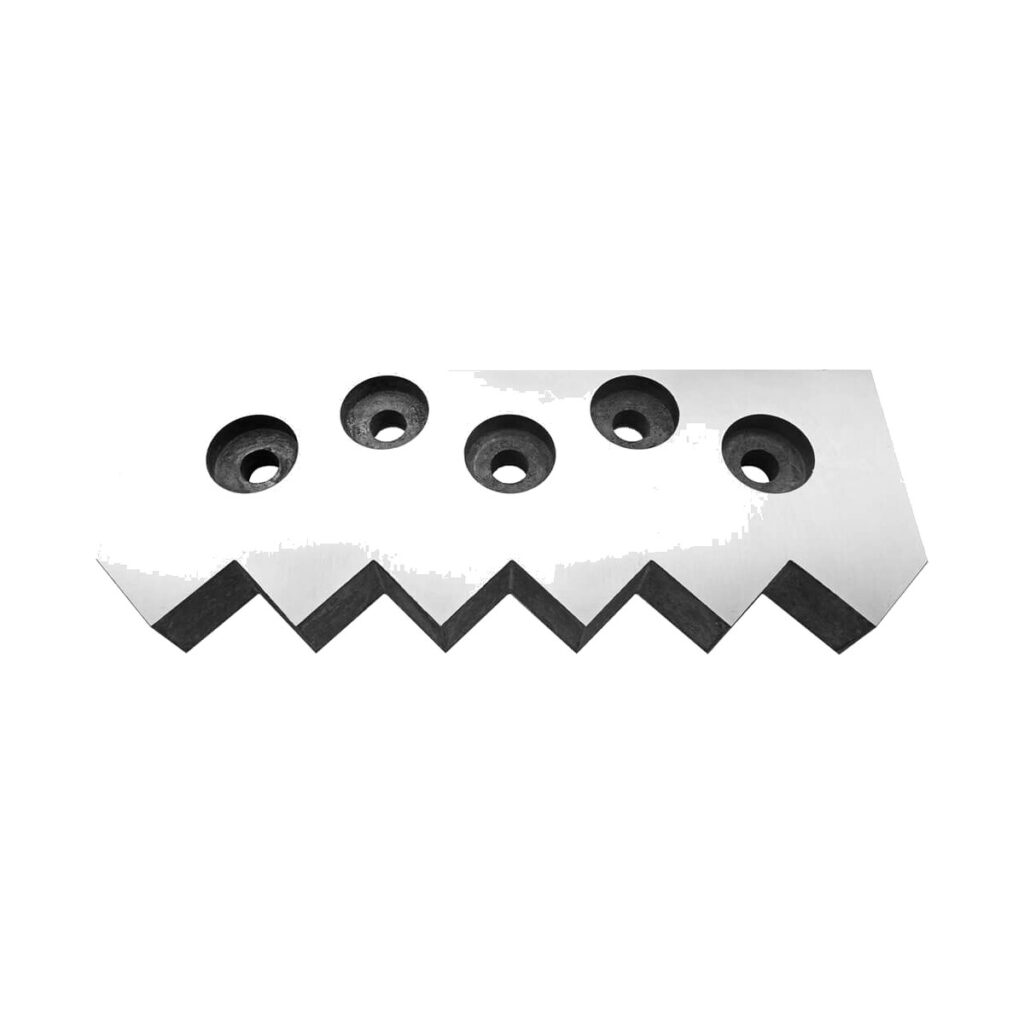
WEIMA: adapt rotor and blades to plastic waste
Selecting blades for a plastic shredder should begin with the waste and the installed rotor. Film, fibers and rigid pieces arrive at the cutting area in different…
Read article →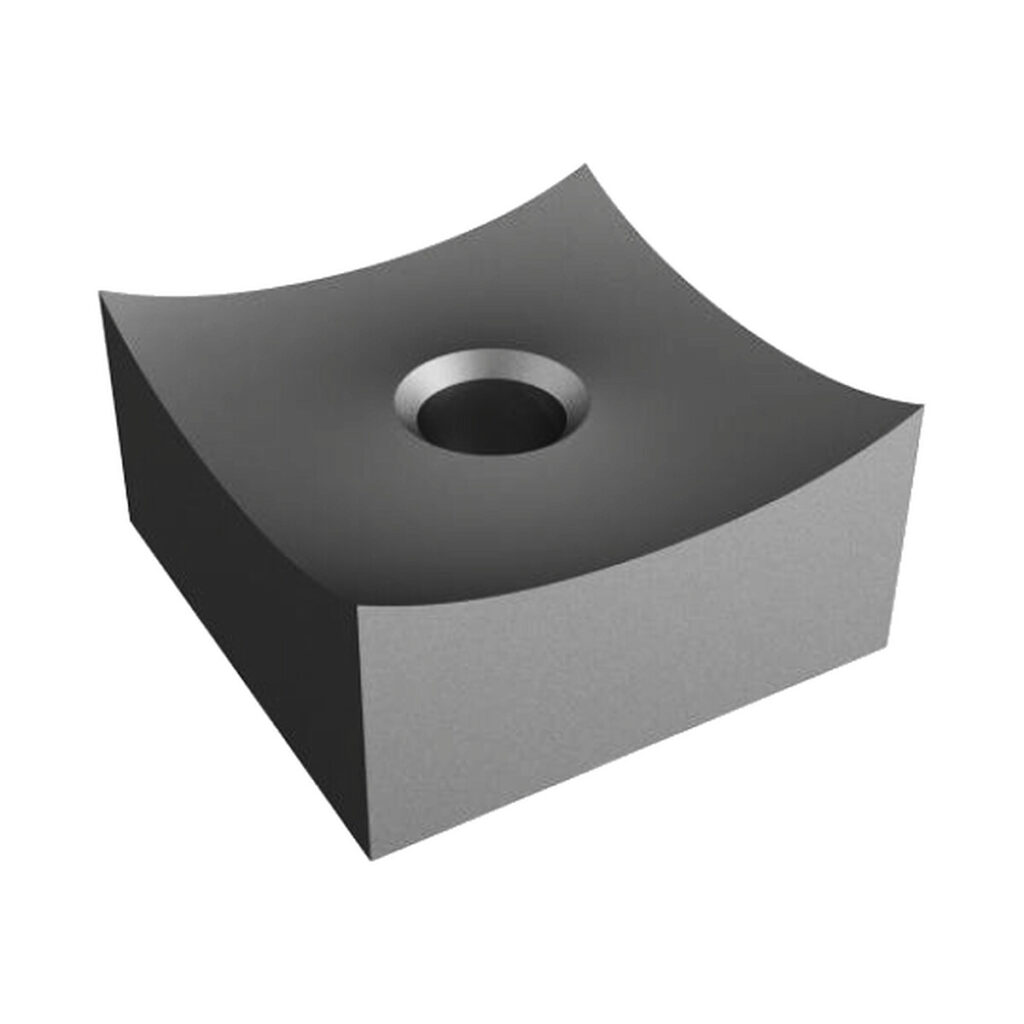
Vecoplan HiTorc: direct drive and consumption evaluation
The consumption of a disposal does not depend only on its blades. Drive, feeding and output of the material are part of the evaluation. HiTorc is a…
Read article →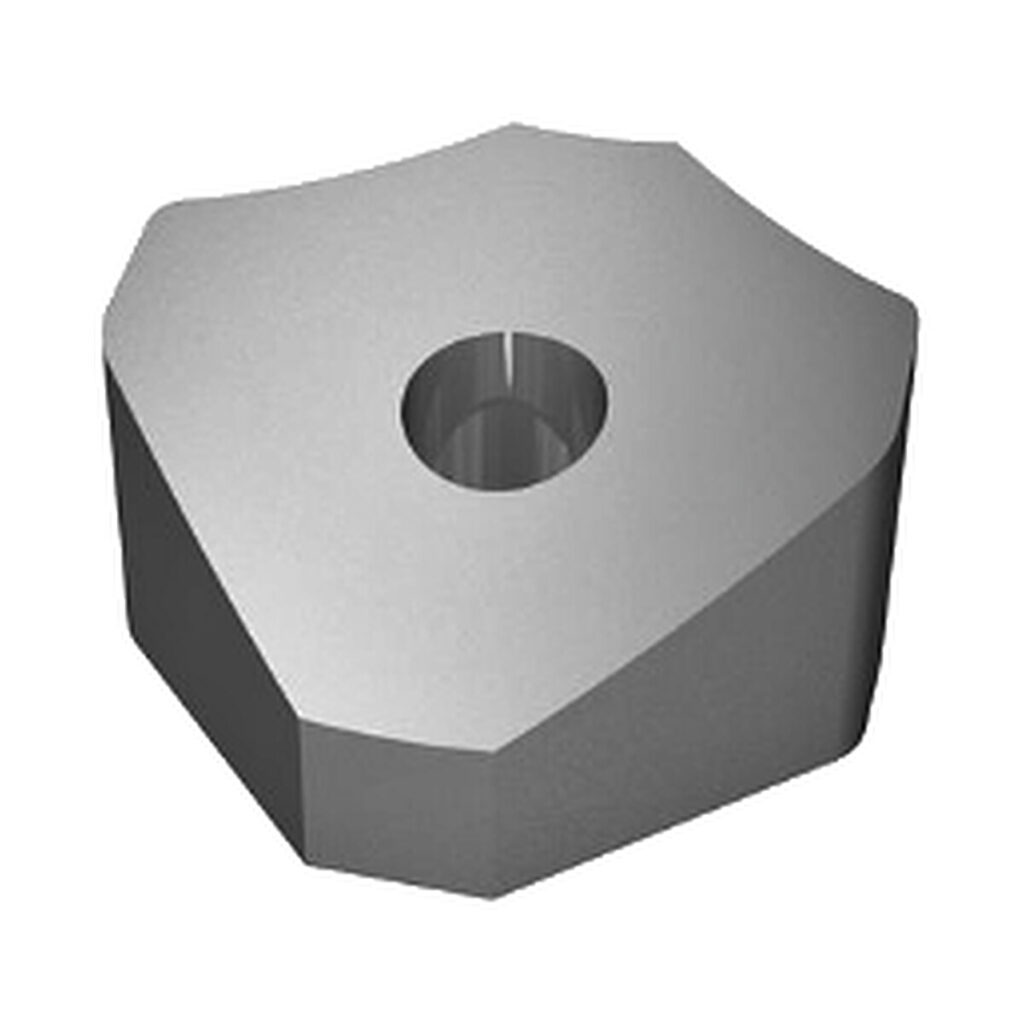
UNTHA XR-C and XR-XC: Compare cutting based on waste stream
Comparing cutting systems from the same family of shredders requires identifying the waste and prior preparation. UNTHA XR-C and XR-XC configurations must be evaluated against the requirements…
Read article →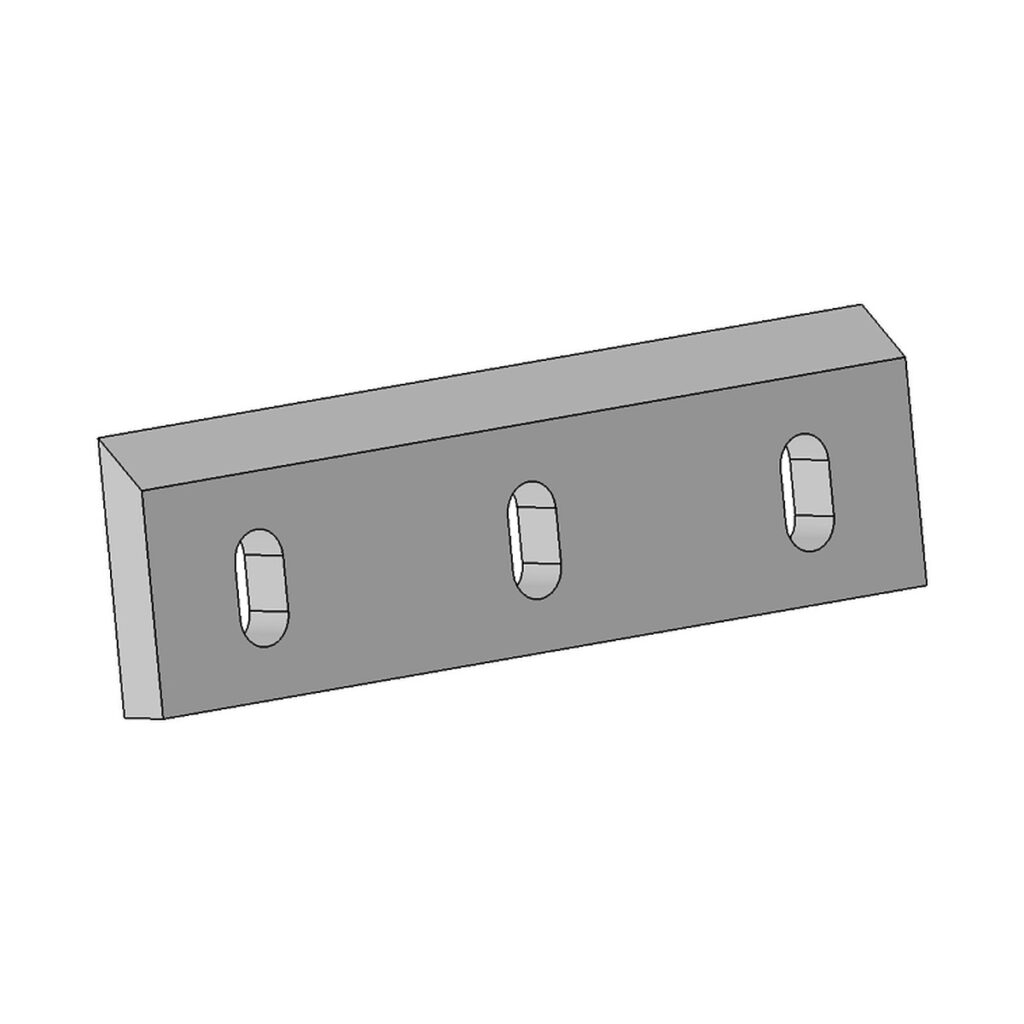
Plastic pipes and profiles: choosing the right reduction
Plastic pipes and profiles may require sizing before entering a mill.
Read article →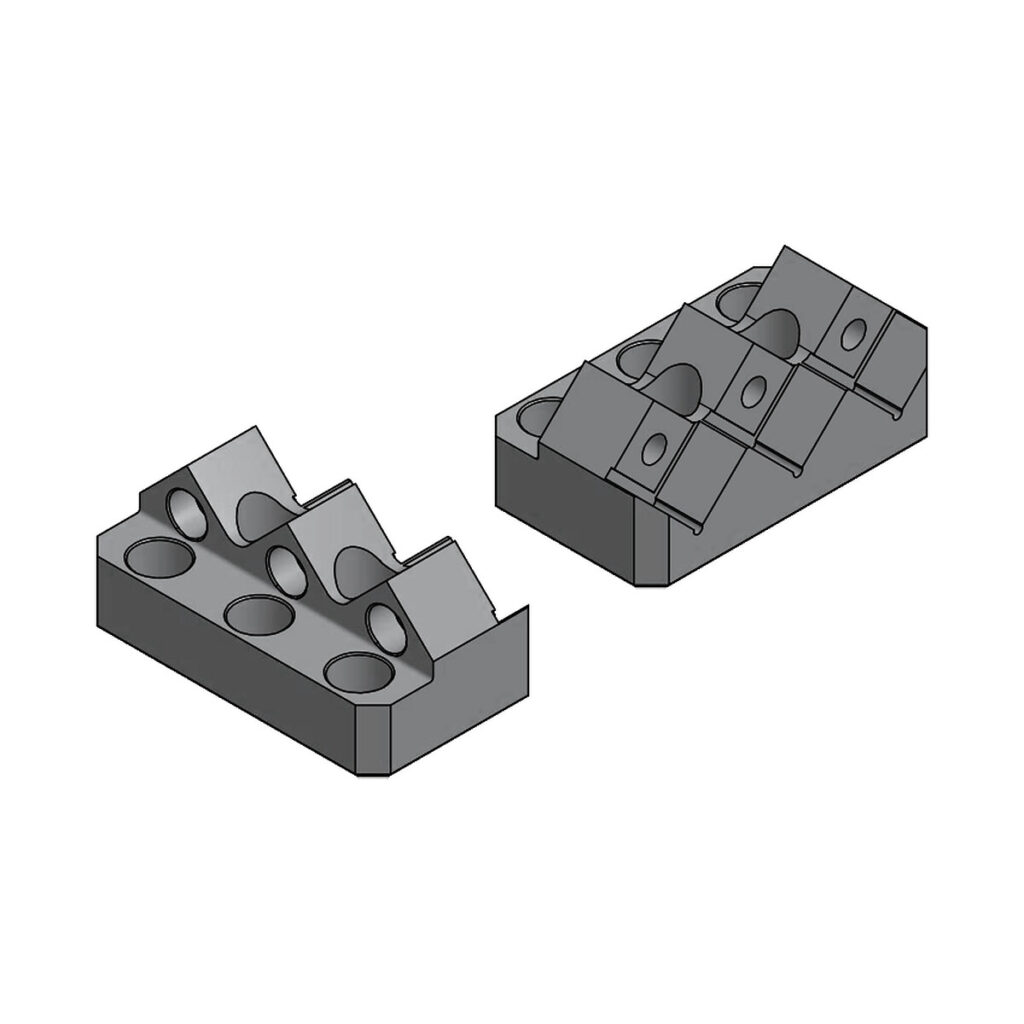
Screws and blade holders: check the spare parts that hold the edge
A shredder blade needs correct housing and fixation to work stably. When preparing spare parts for recycling machinery, it is also advisable to check screws, knife holders…
Read article →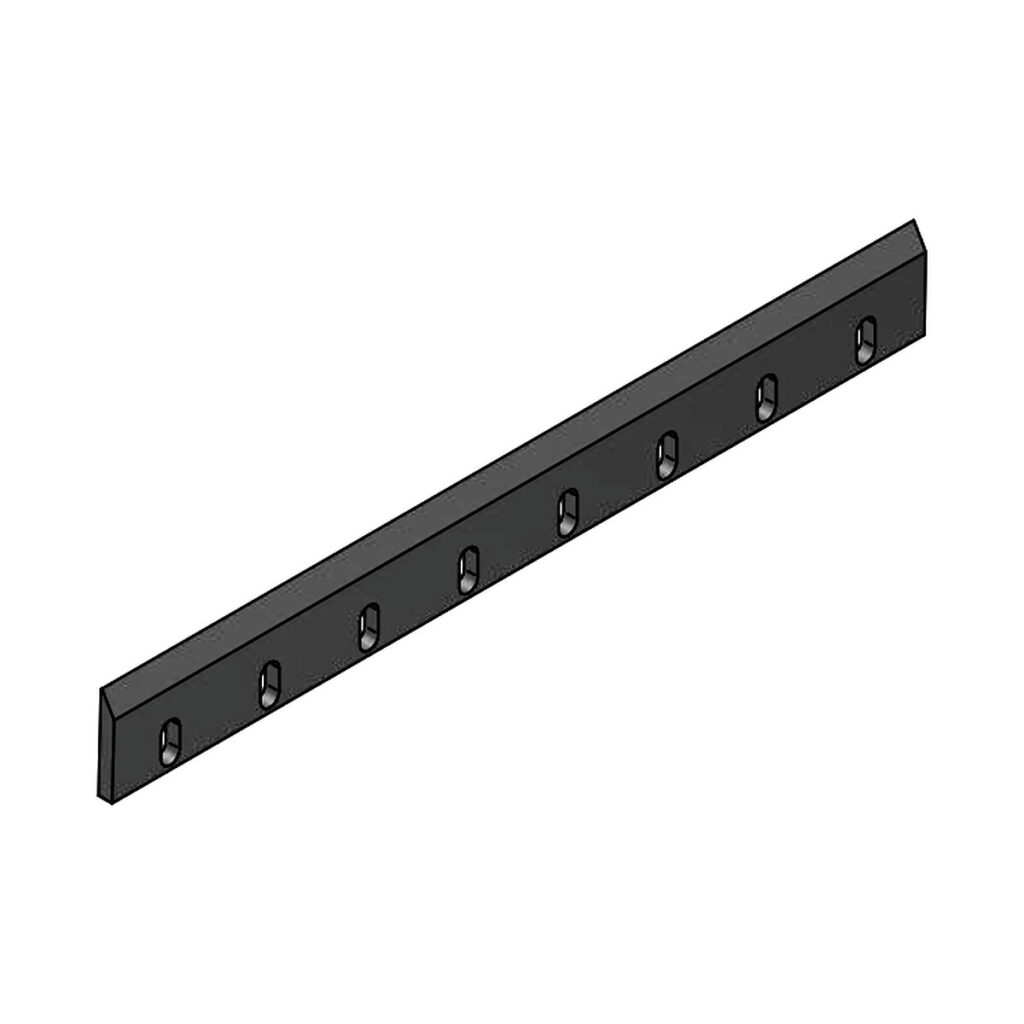
Textile recycling: how material feeding affects industrial cutting
Textile recycling must manage materials that fold, stretch and can tangle.
Read article →