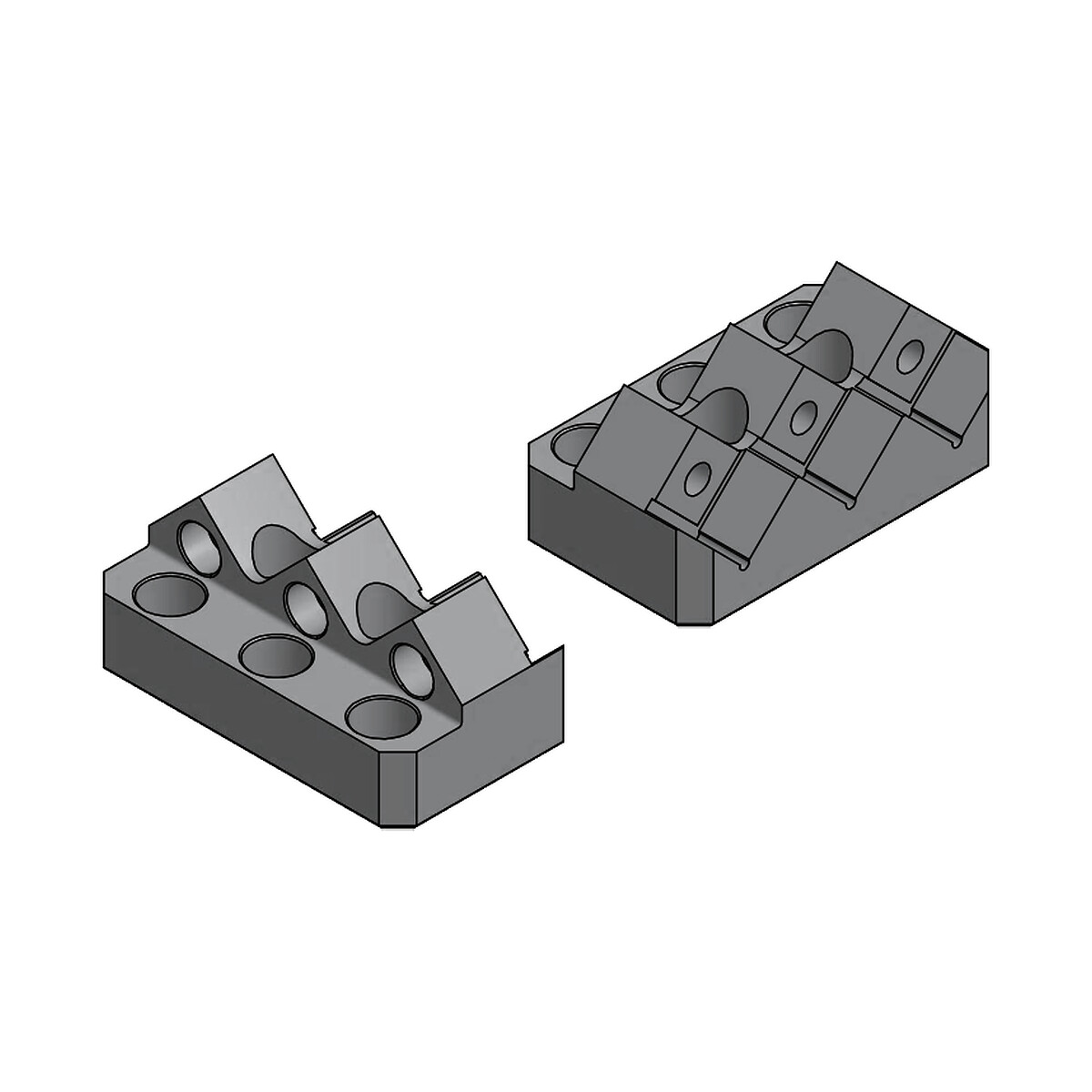
A shredder blade needs correct housing and fixation to work stably. When preparing spare parts for recycling machinery, it is also advisable to check screws, knife holders and support surfaces: changing only the cutting edge can leave the cause of irregular wear unresolved.
Identify support damage
Using the provided equipment, examine the seat for movement marks, cracks, deformations and wear. Document the position of each part before disassembling. Photographs of the housing and the support face allow us to study whether the damage is concentrated in one area or is repeated throughout the rotor.
Check the specified fixation
The thread, length, quality, head and treatment of the screw must correspond to the manufacturer’s specification. The torque, sequence and mounting conditions should also not be deduced from the appearance. Check the reuse and replacement criteria in the manual, especially if there are fixings subject to damage or fatigue.
Prepare a complete order
Send machine identification, reference, dimensions and photographs. Distinguish blade, support and screws in the request, indicating quantities per position and per set. A visually fitting part does not demonstrate that its materials, tolerances or strength correspond to the intended design. Review the set before booking it for a stop.
Frequently asked question
Does a new blade compensate for a damaged blade holder?
It should not be assumed. The condition of the holder determines the support of the tool and must be evaluated before assembly.
Technical documentation
Lindner: service and maintenance. Consult your equipment’s specific documentation for maintenance procedures.
Consult blades and industrial spare parts
Check out our spare parts for industrial machinery and the options sharpening and repair. Send us brand, model, reference, measurements and photographs to study the piece and prepare your budget.