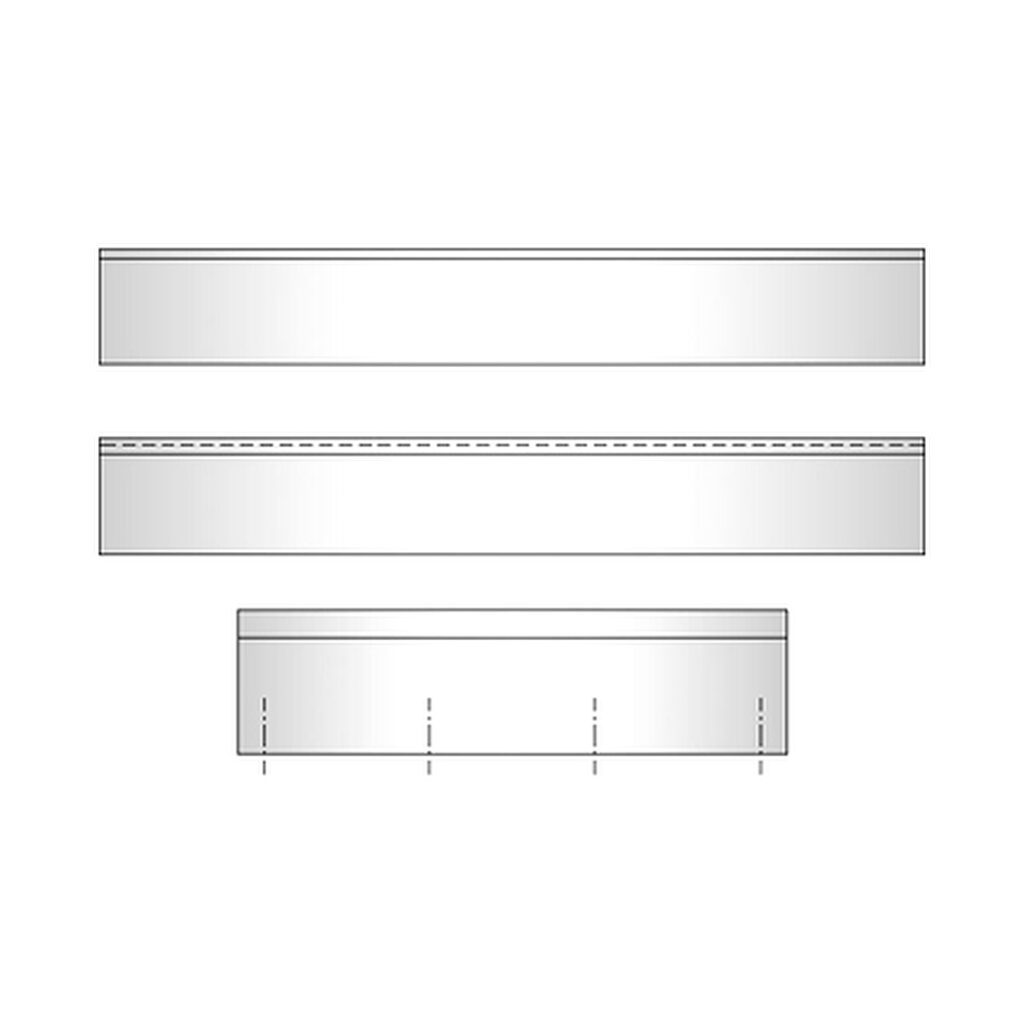
Shredder, granulator and shear: choosing the cutting stage
The three machines reduce material, but fulfill different functions within an industrial line.

The three machines reduce material, but fulfill different functions within an industrial line.
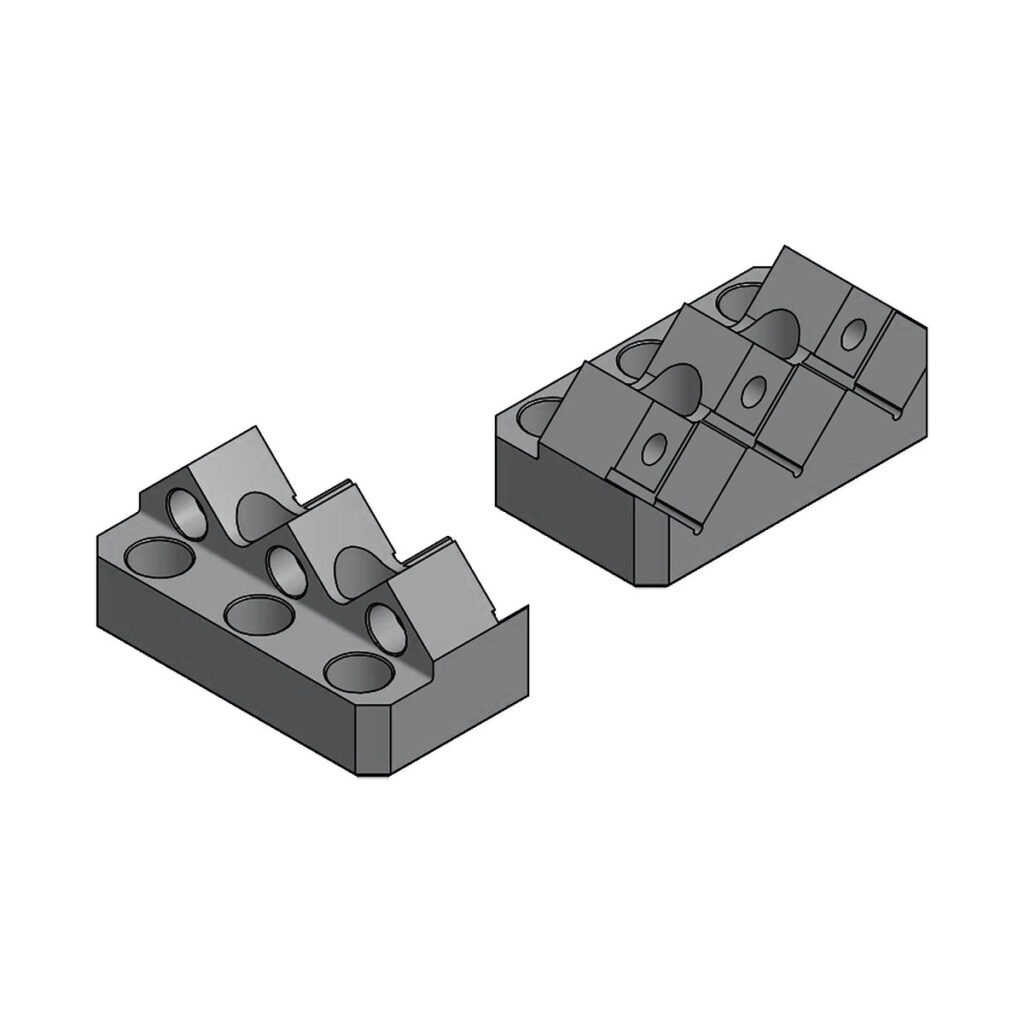
What to check on a worn blade holder before deciding between hardfacing, machining or replacement.
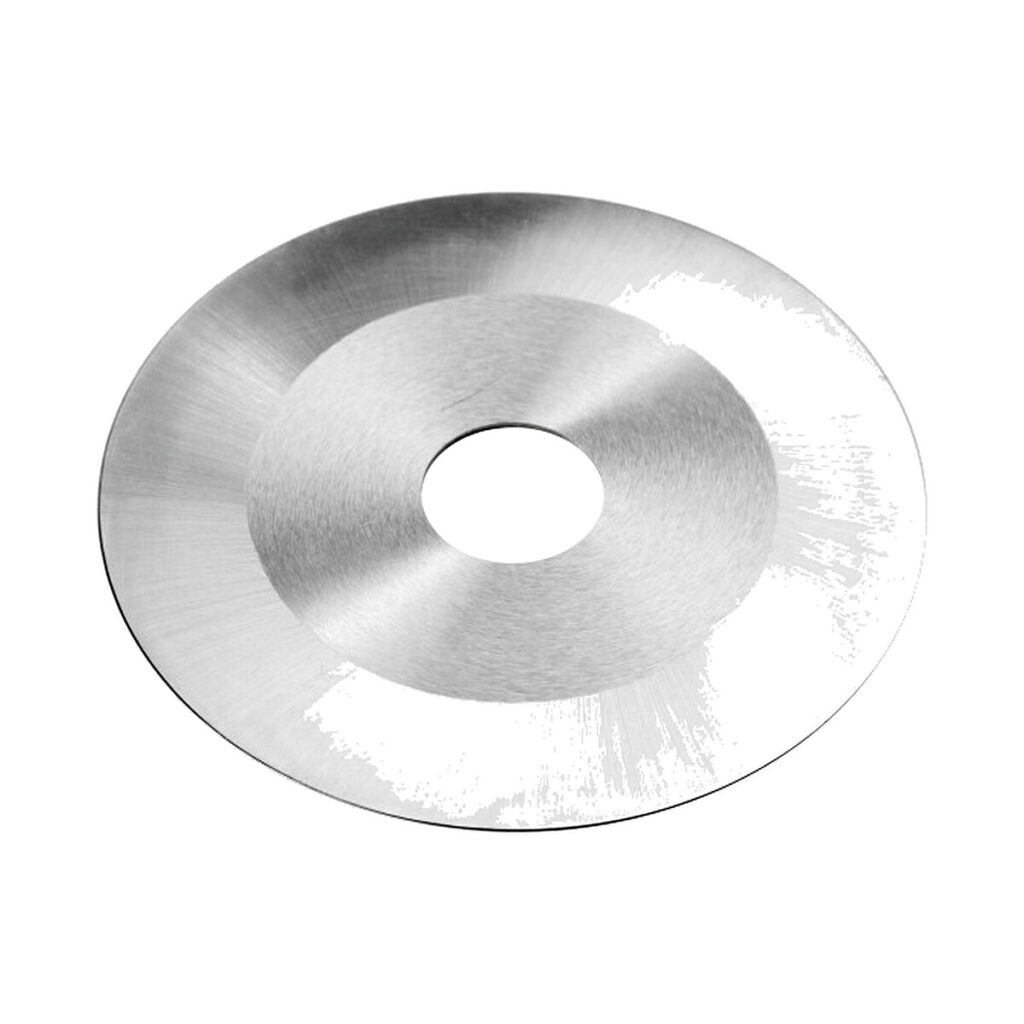
Hardness is a useful piece of information, but it must be evaluated together with the steel, the type of wear and the cutting conditions.
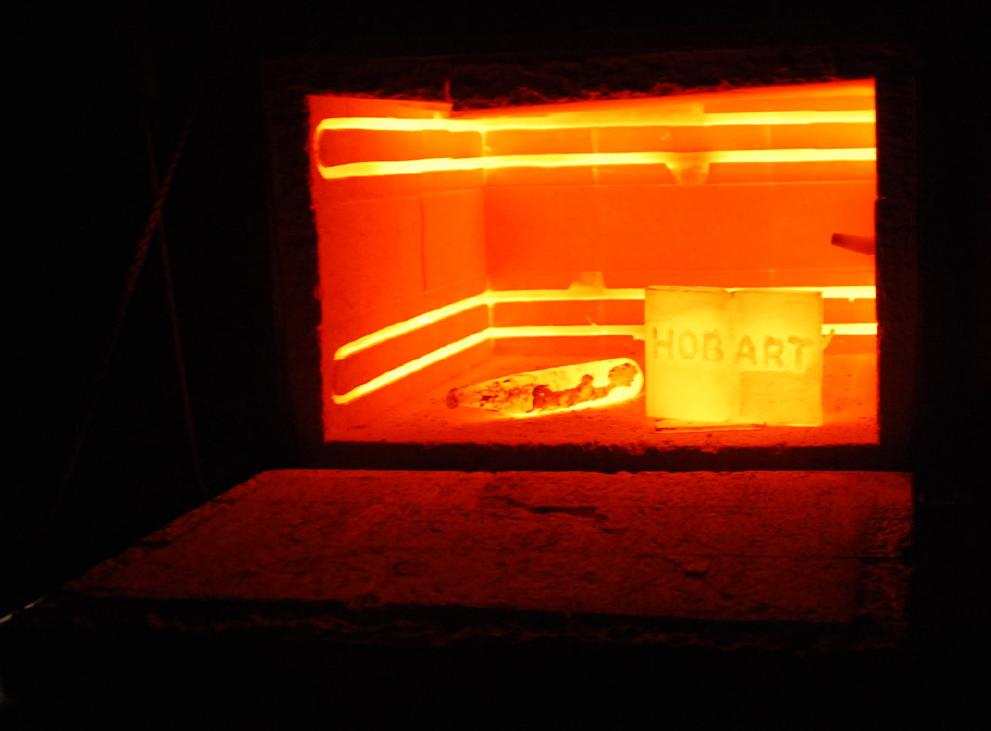
Hardening, tempering and dimensional control: what information should be reviewed when purchasing or manufacturing industrial blades.
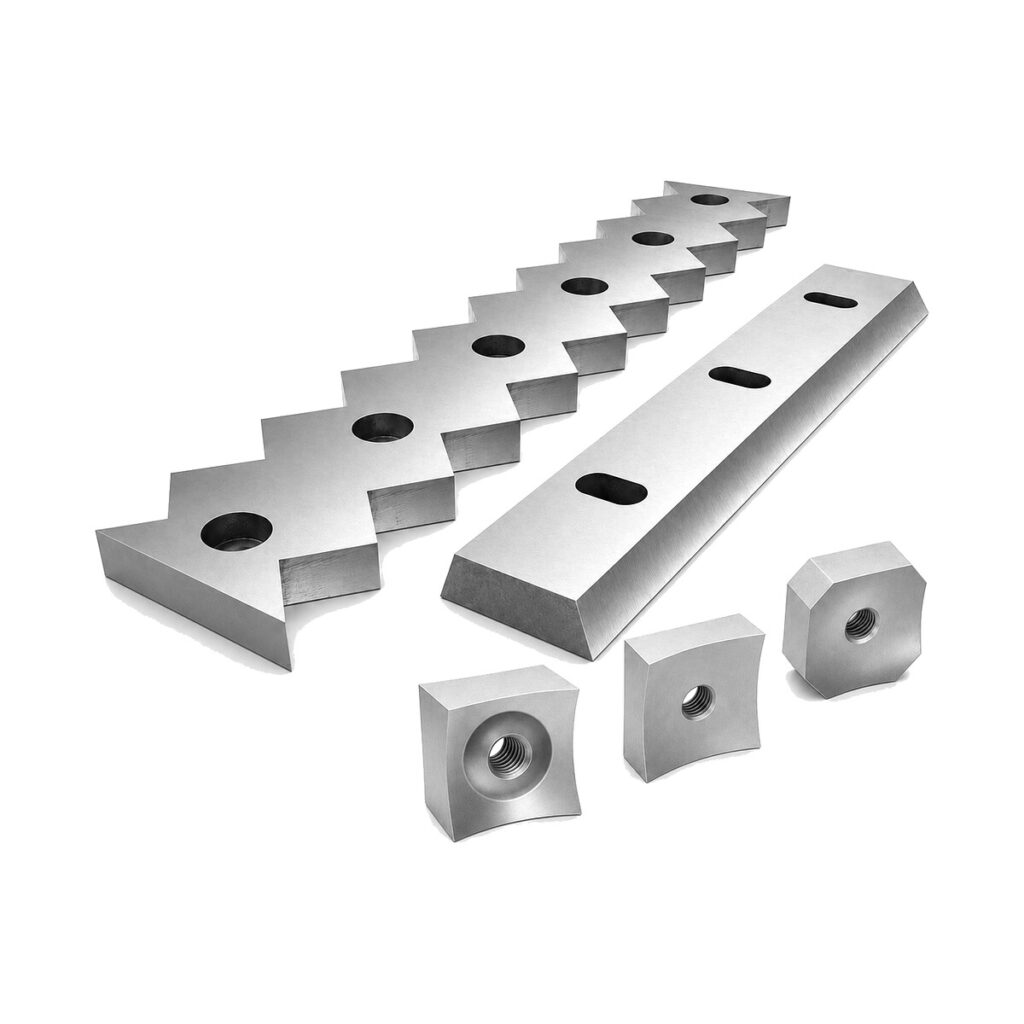
Industrial blade wear does not always call for higher hardness. Learn to distinguish abrasion, edge chipping and plastic deformation before selecting a replacement.
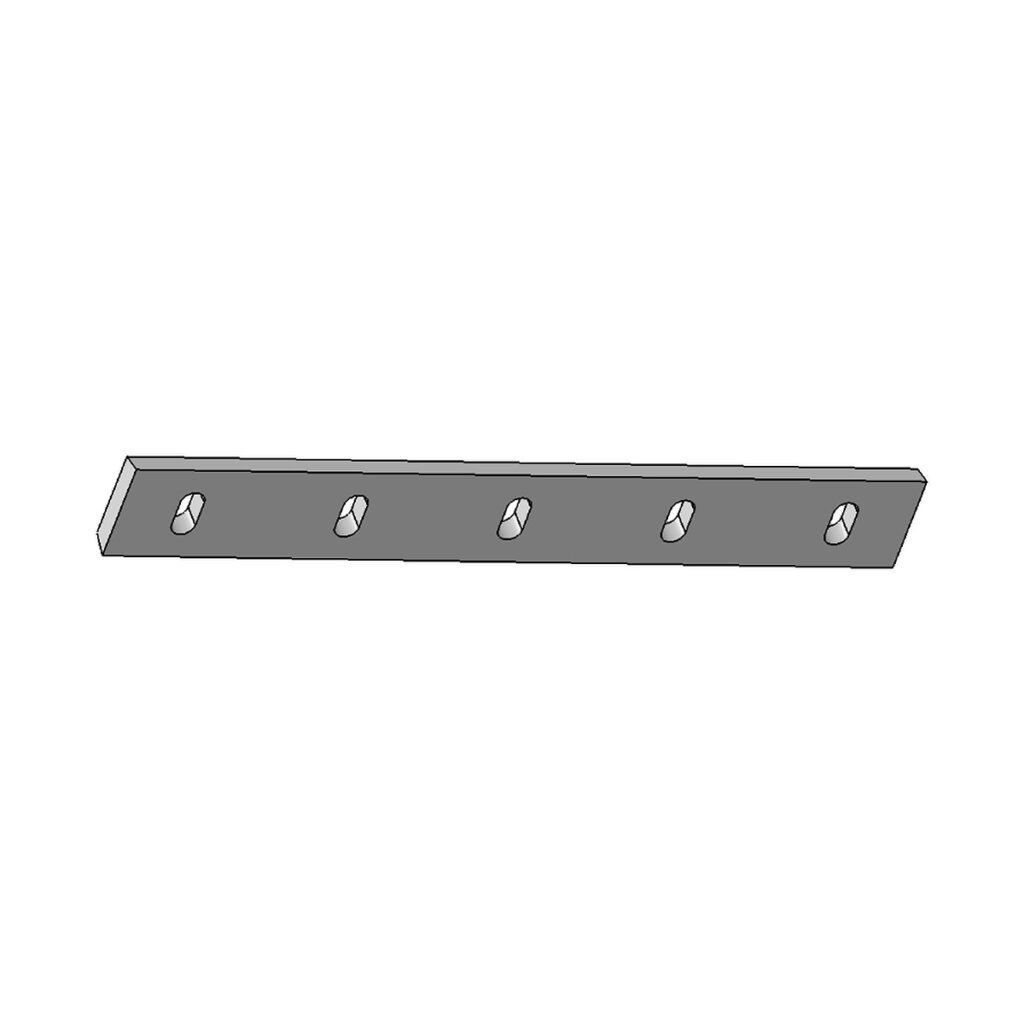
In industrial granulation, the rotor and blades must correspond to the size and behavior of the material. ZERMA’s GSH range allows you to analyze a construction intended for demanding jobs without converting a catalog description into a guarantee for any residue.
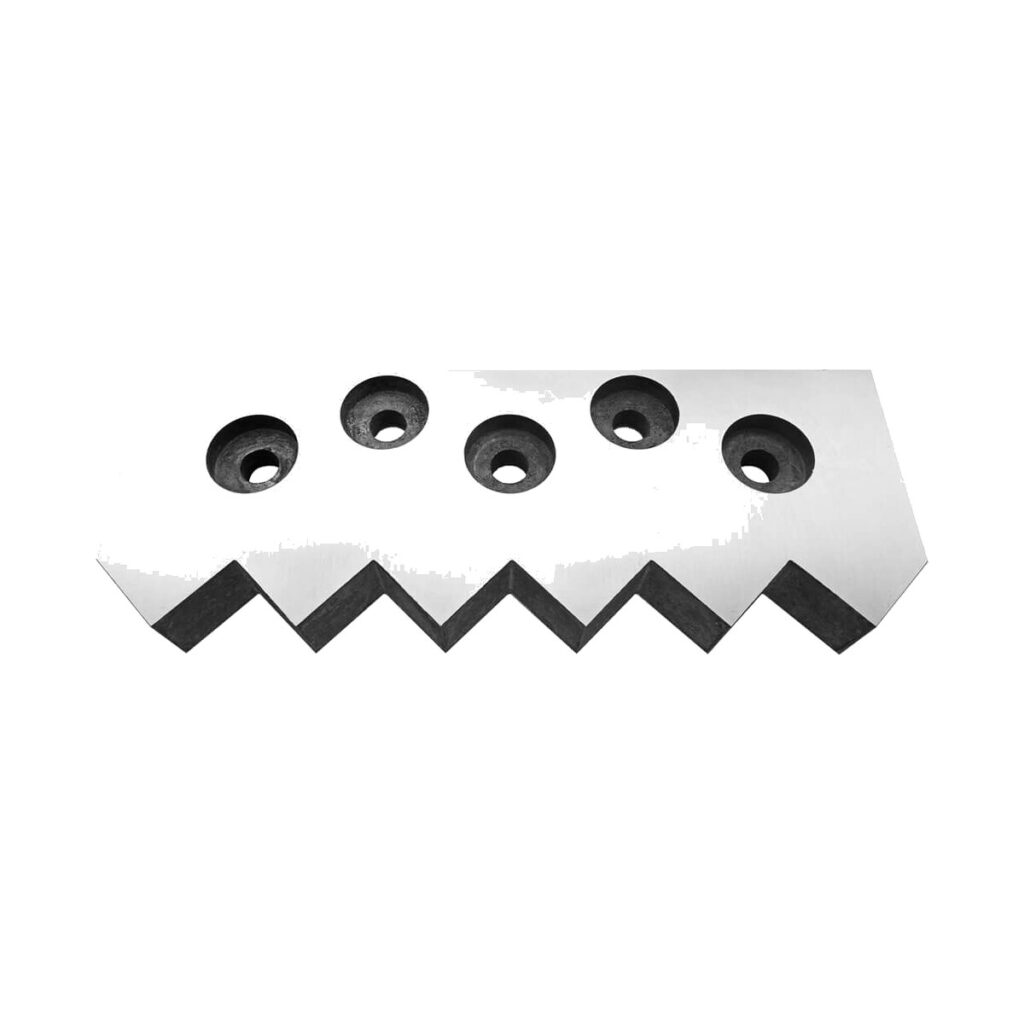
Selecting blades for a plastic shredder should begin with the waste and the installed rotor. Film, fibers and rigid pieces arrive at the cutting area in different ways, even when they belong to the same polymer.
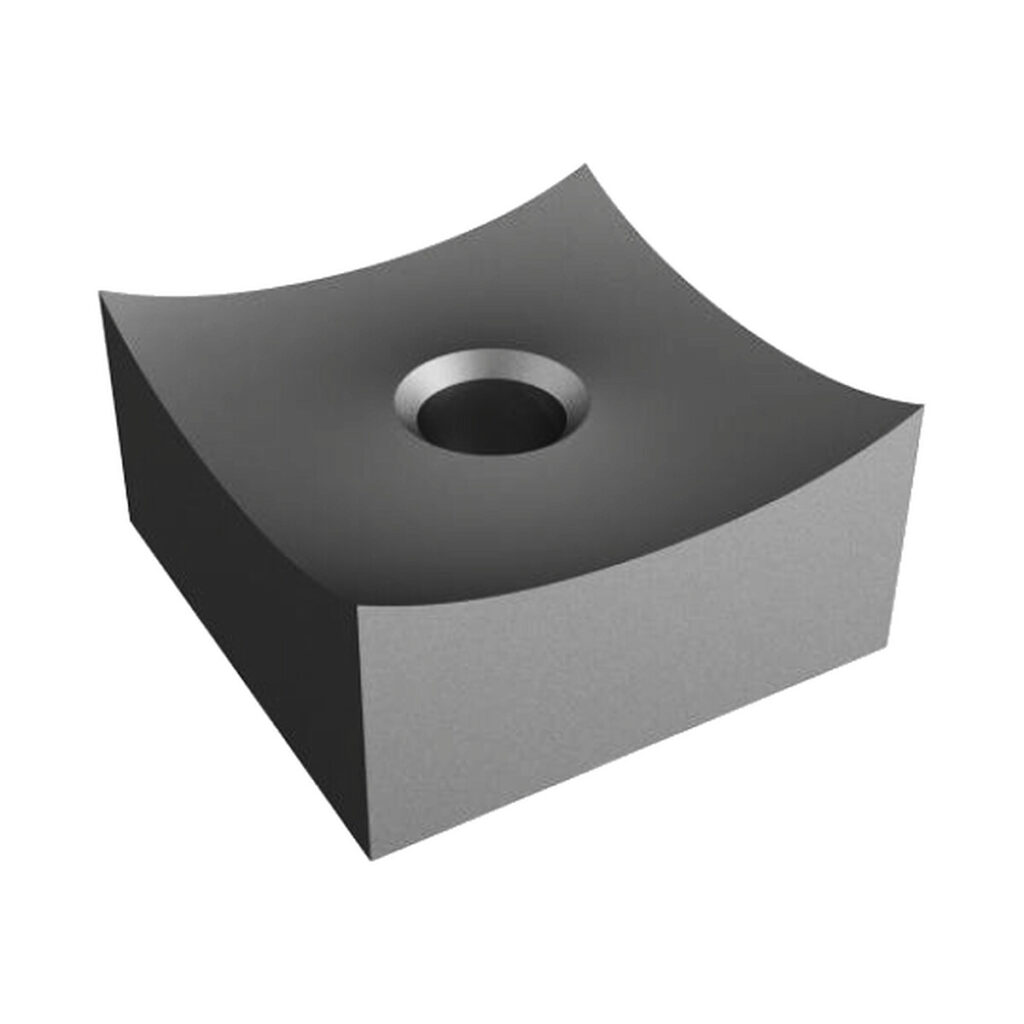
The consumption of a disposal does not depend only on its blades. Drive, feeding and output of the material are part of the evaluation. HiTorc is a direct drive technology from Vecoplan that must be analyzed with comparable measurements.
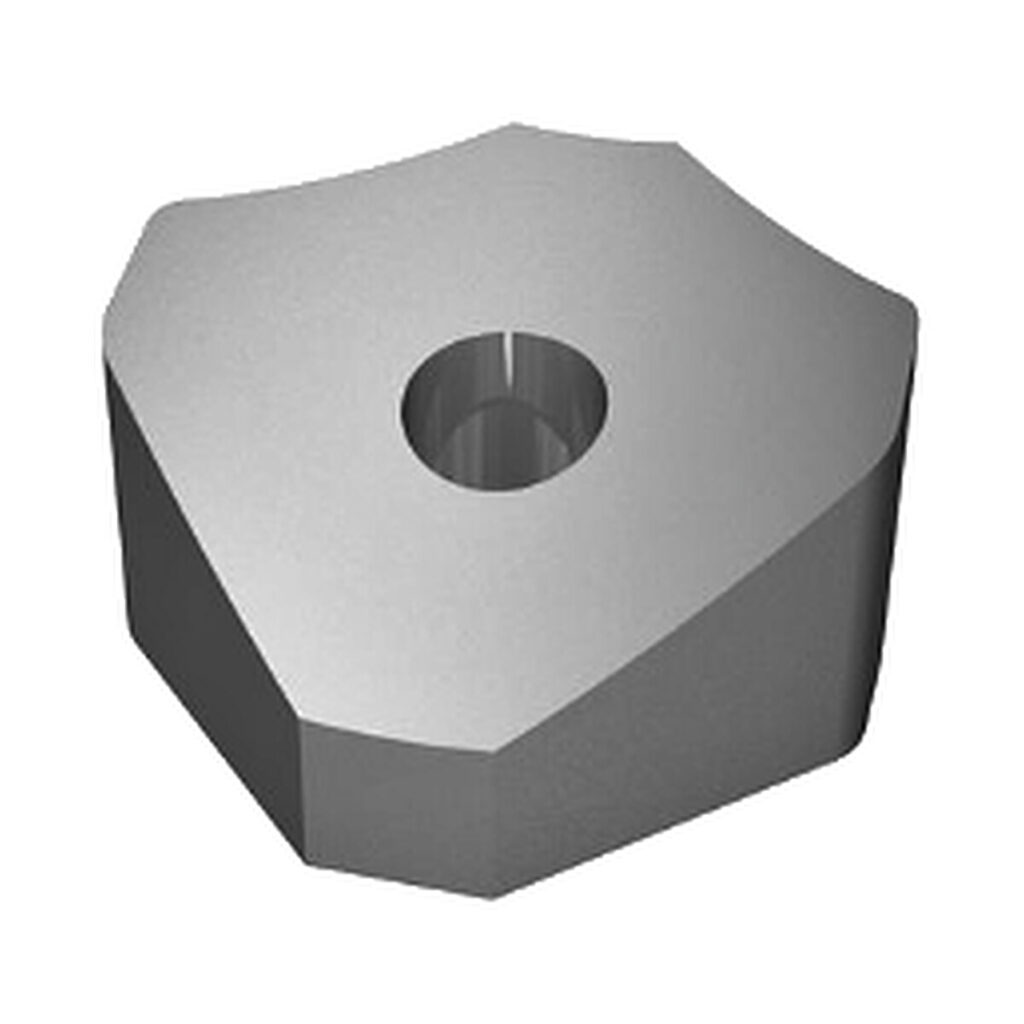
Comparing cutting systems from the same family of shredders requires identifying the waste and prior preparation. UNTHA XR-C and XR-XC configurations must be evaluated against the requirements of each flow and with specific documentation.
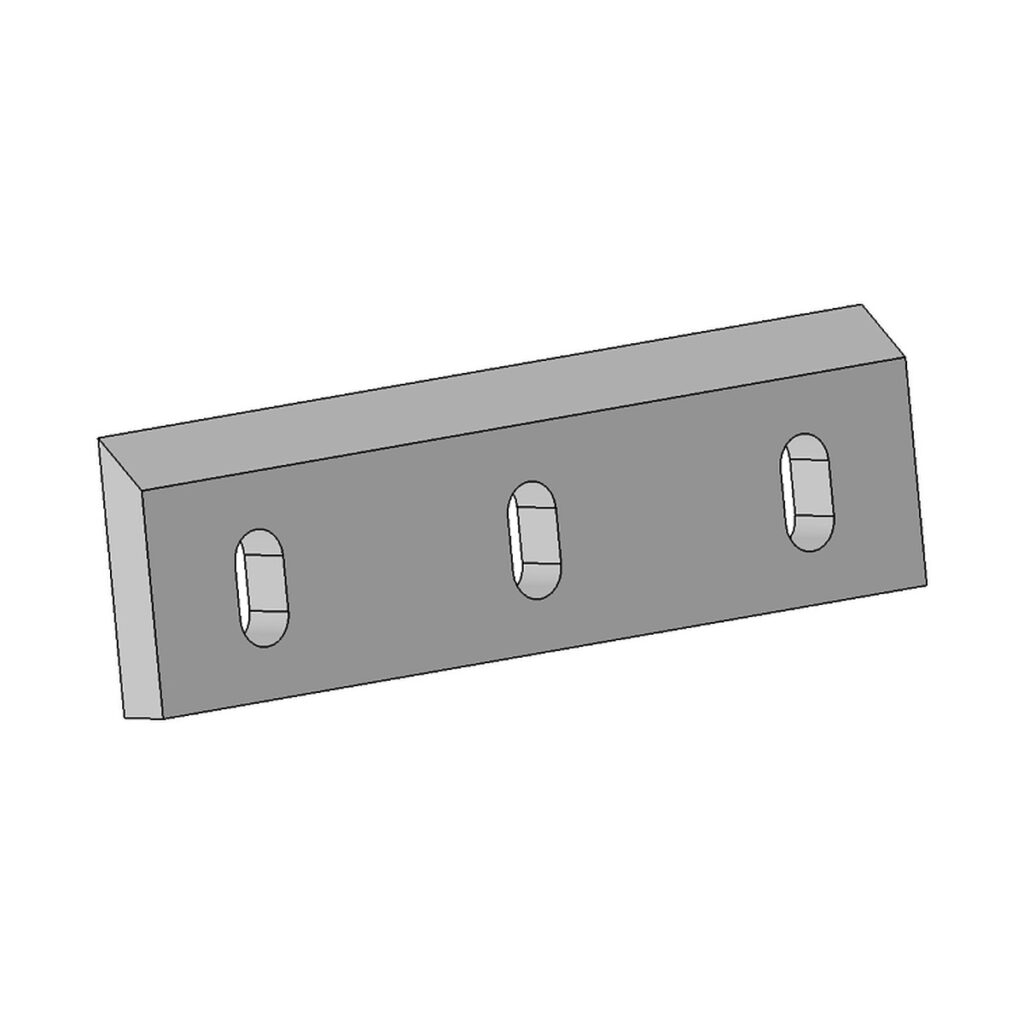
Plastic pipes and profiles may require sizing before entering a mill.