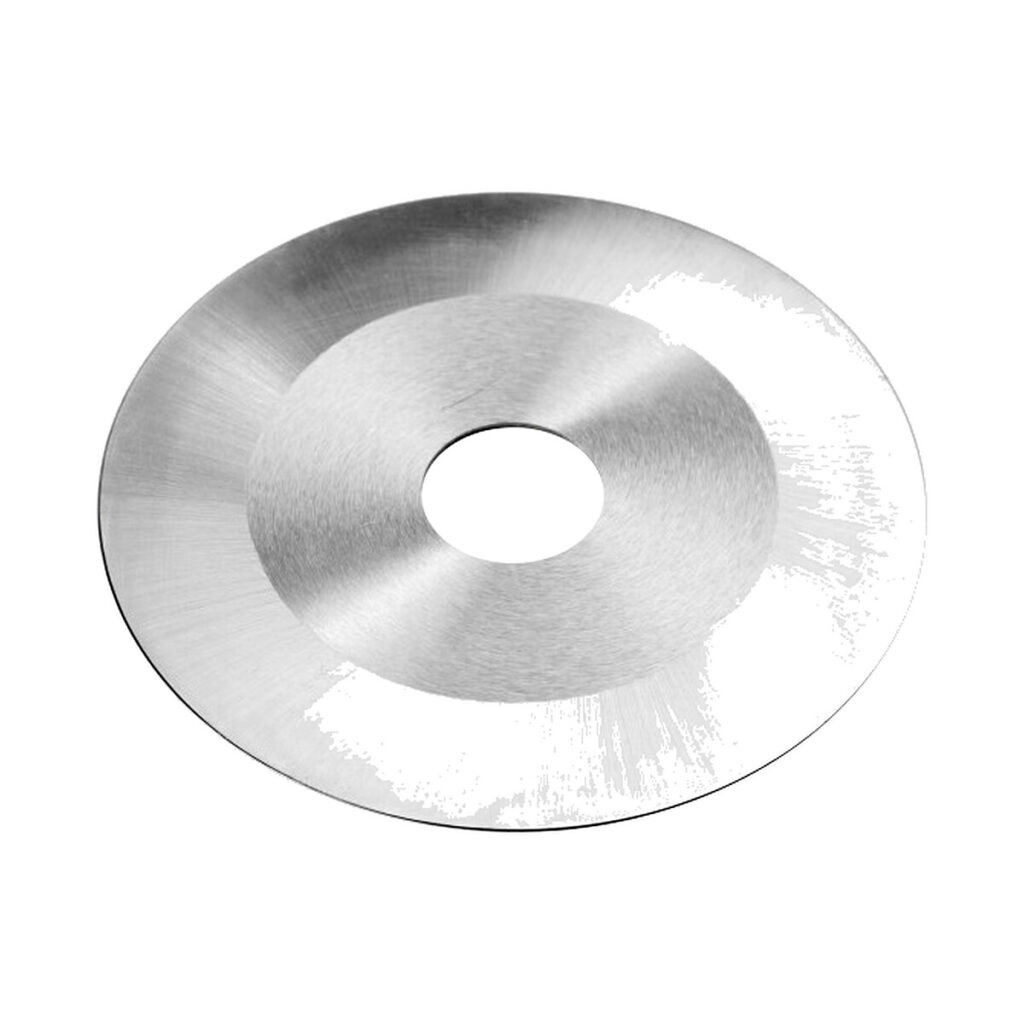
HRC hardness and toughness: interpreting an industrial knife specification
Hardness is a useful piece of information, but it must be evaluated together with the steel, the type of wear and the cutting conditions.
Hardness is a useful piece of information, but it must be evaluated together with the steel, the type of wear and the cutting conditions.
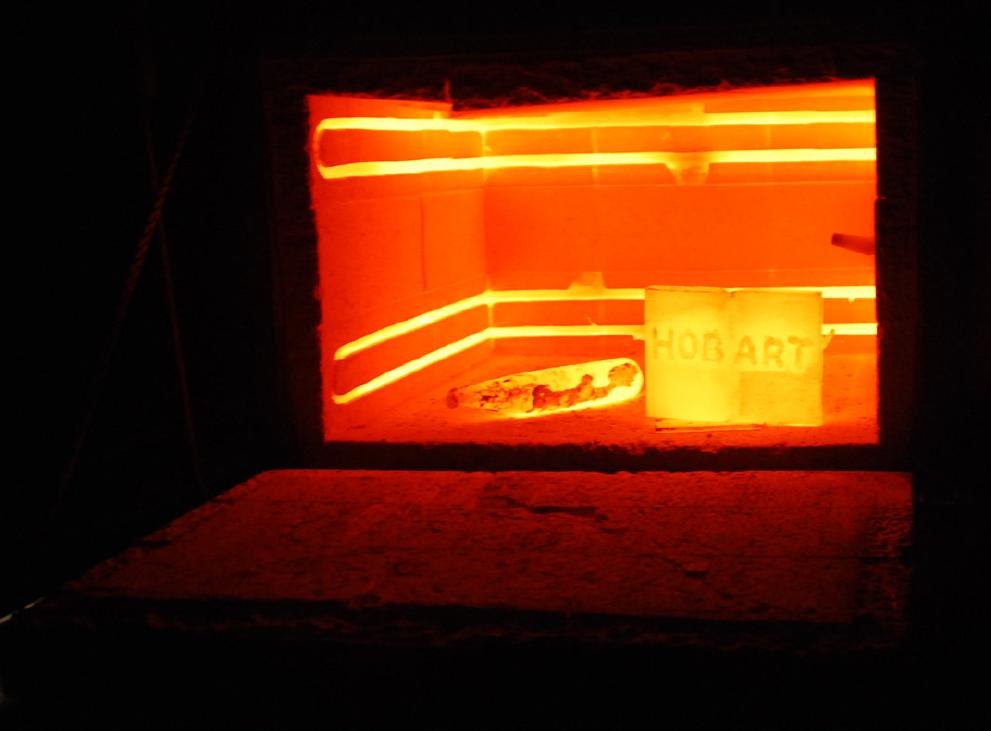
Hardening, tempering and dimensional control: what information should be reviewed when purchasing or manufacturing industrial blades.
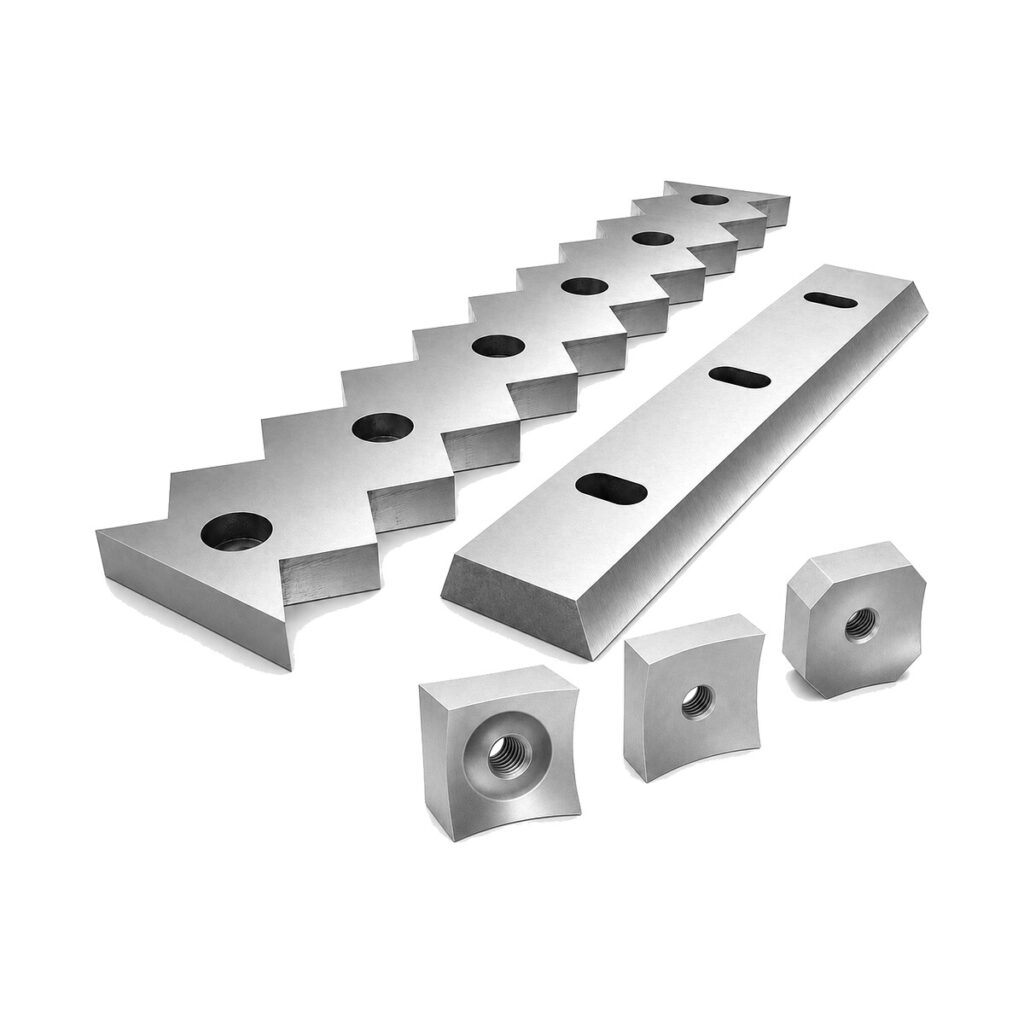
Industrial blade wear does not always call for higher hardness. Learn to distinguish abrasion, edge chipping and plastic deformation before selecting a replacement.
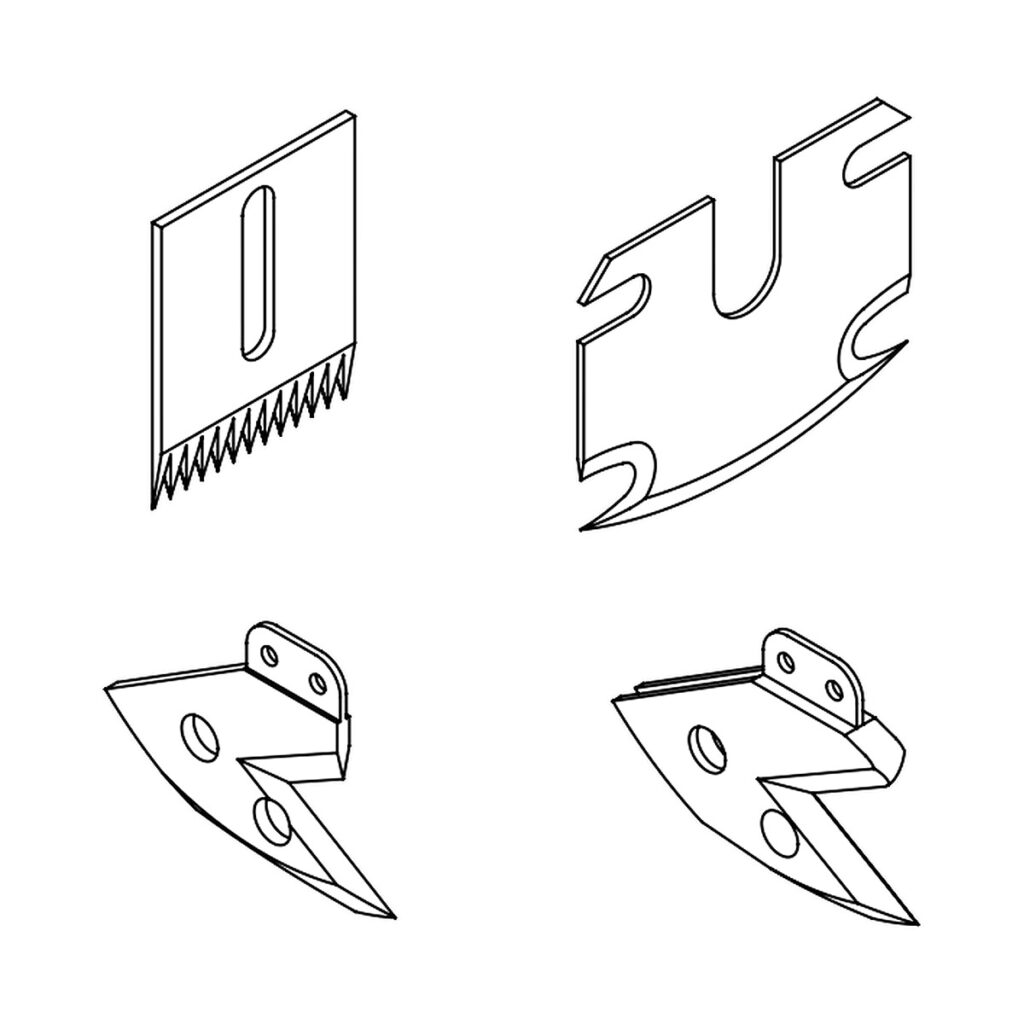
Tire recycling combines rubber, reinforcements and components that require several preparation and separation operations.
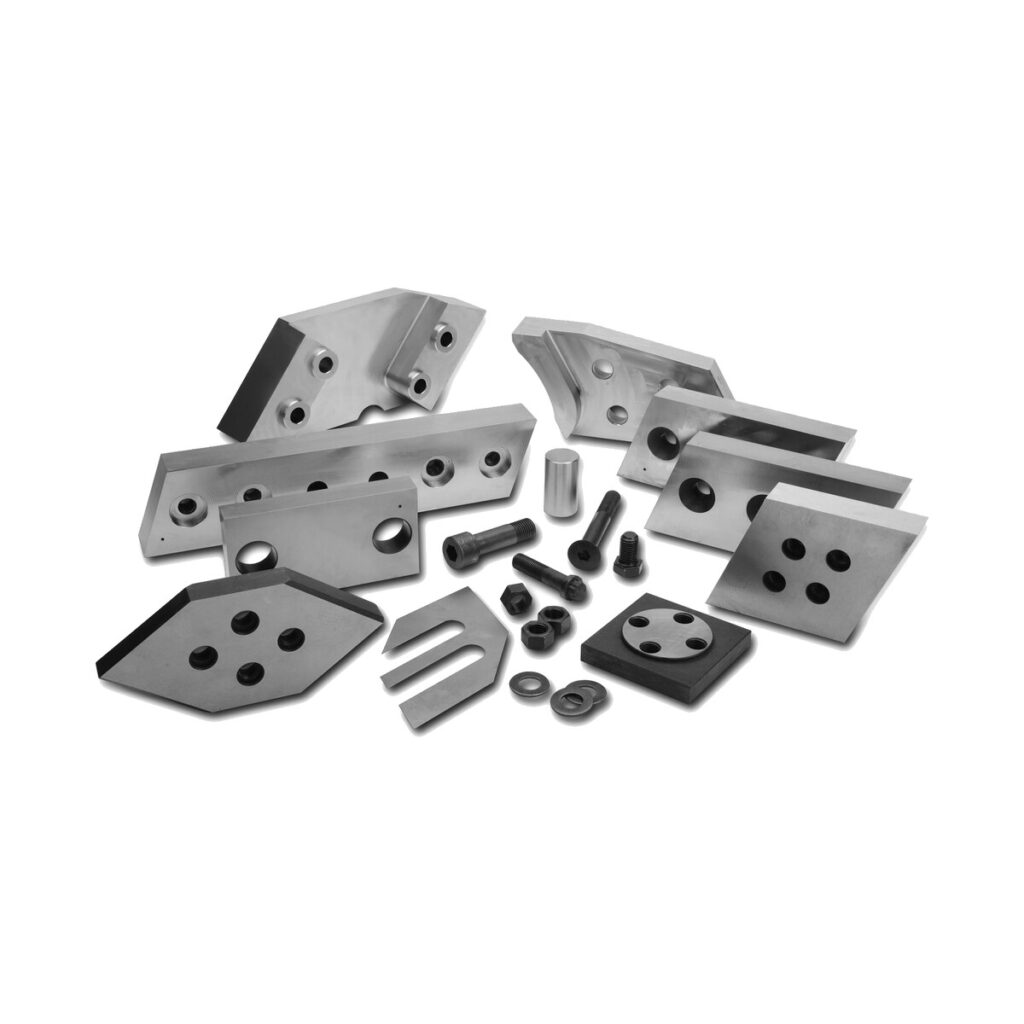
Scrap shear blades must cut materials of varying geometry and thickness.
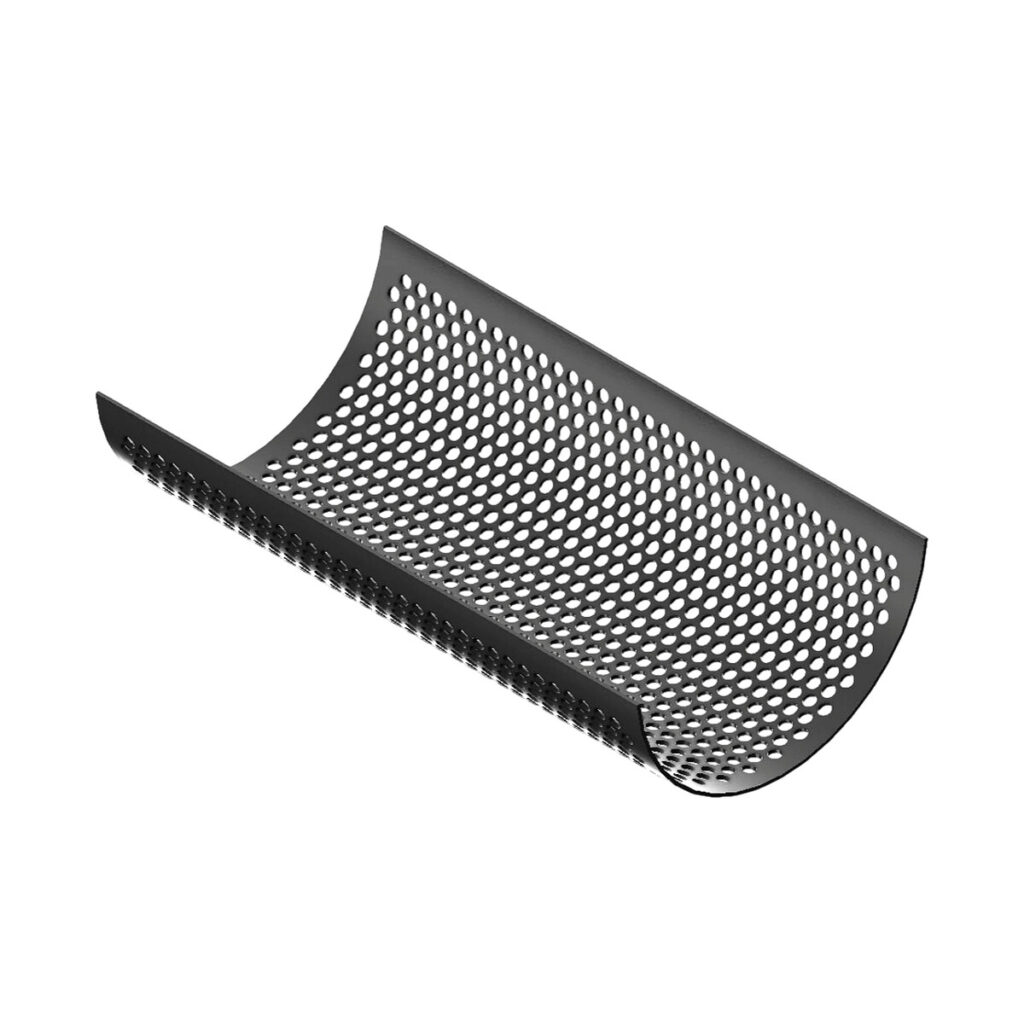
Mill and crusher screens receive abrasion, impacts and assembly efforts. A correct replacement combines material, perforation, thickness and support geometry. Choosing solely by hole size can alter the operation of the equipment.
Guide to select 1.2379, 1.2080, S5 and 1.7131 steels according to abrasion, impact, processed material and maintenance.
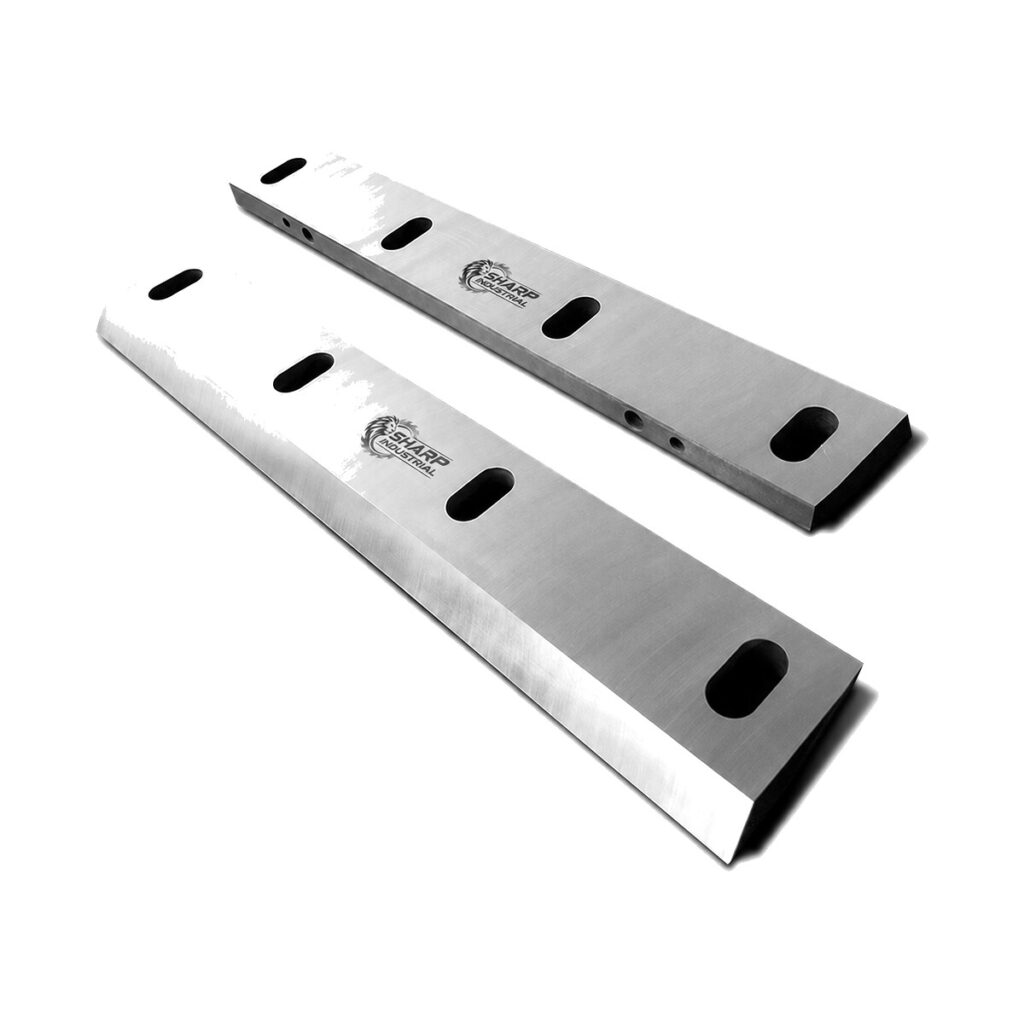
Powder metallurgical steels can be studied for industrial blades that work in demanding applications. Its choice requires relating the properties of the grade to actual wear: a steel denomination does not by itself guarantee a specific duration.