Screens and grills for mills and crushers: how to choose them
How to choose drilling diameter, thickness, material and geometry of screens for granulating and crushing mills.
How to choose drilling diameter, thickness, material and geometry of screens for granulating and crushing mills.
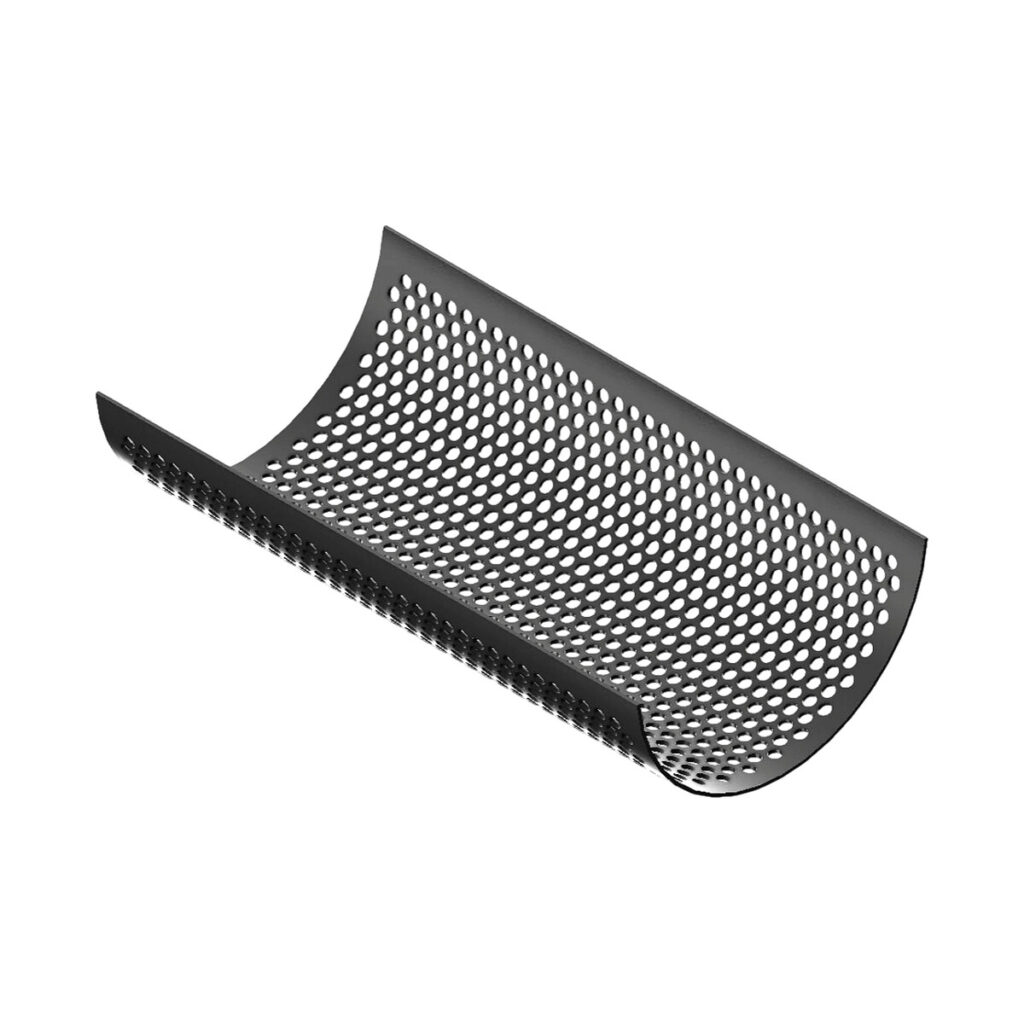
Mill and crusher screens receive abrasion, impacts and assembly efforts. A correct replacement combines material, perforation, thickness and support geometry. Choosing solely by hole size can alter the operation of the equipment.
The purchase price of an industrial blade alone does not express its cost of use. To compare recycling alternatives, relate the cost of the kit to the tons accepted and the operations necessary during its service life.
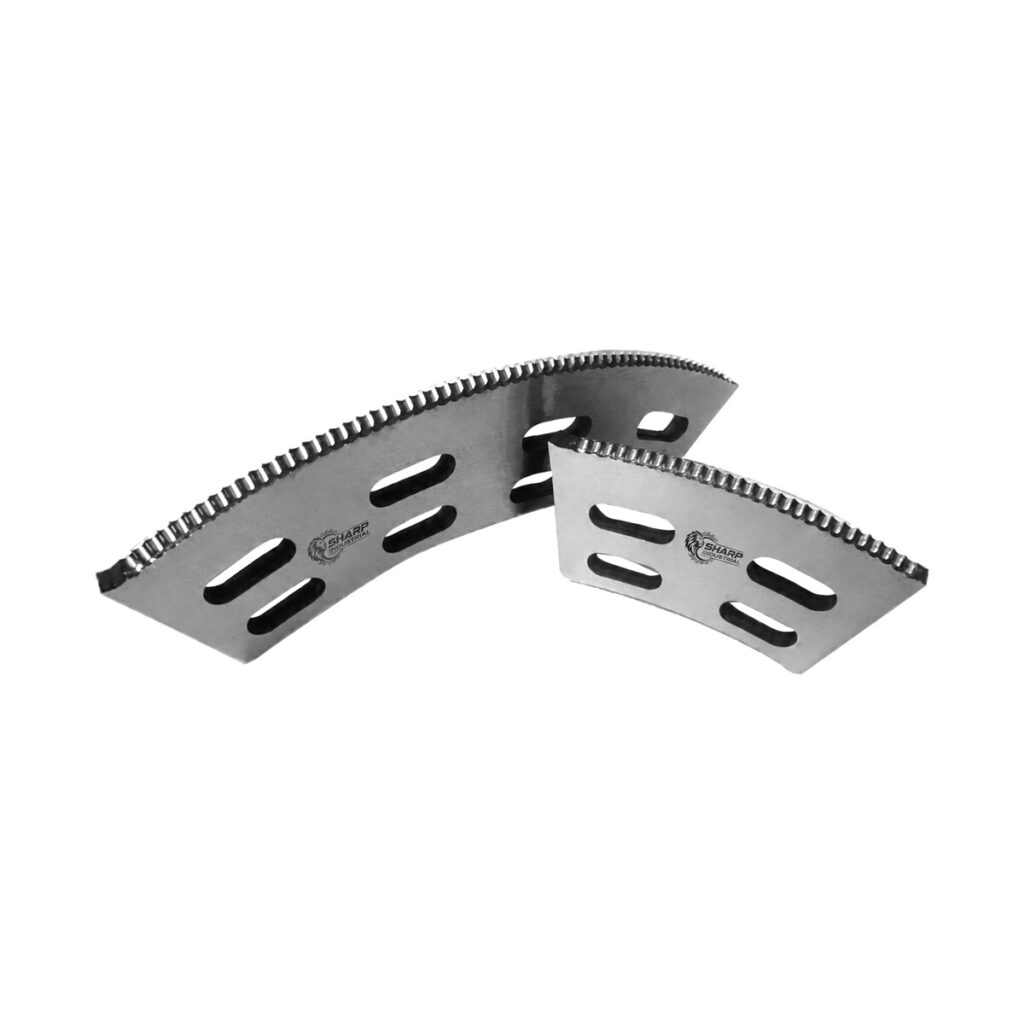
When cutting paper and cardboard, dust and jagged edges can affect cleanliness, presentation, and subsequent operations.
Factors that improve the production of a plastic shredder: condition of blades, geometry, screen, feeding and separation.
Data and photographs necessary to identify or manufacture an industrial blade when there is no reference, plan or manual.
Guide to select 1.2379, 1.2080, S5 and 1.7131 steels according to abrasion, impact, processed material and maintenance.

The shredding of big bags and PP raffia can present feeding bridges, long fibers and an irregular output.
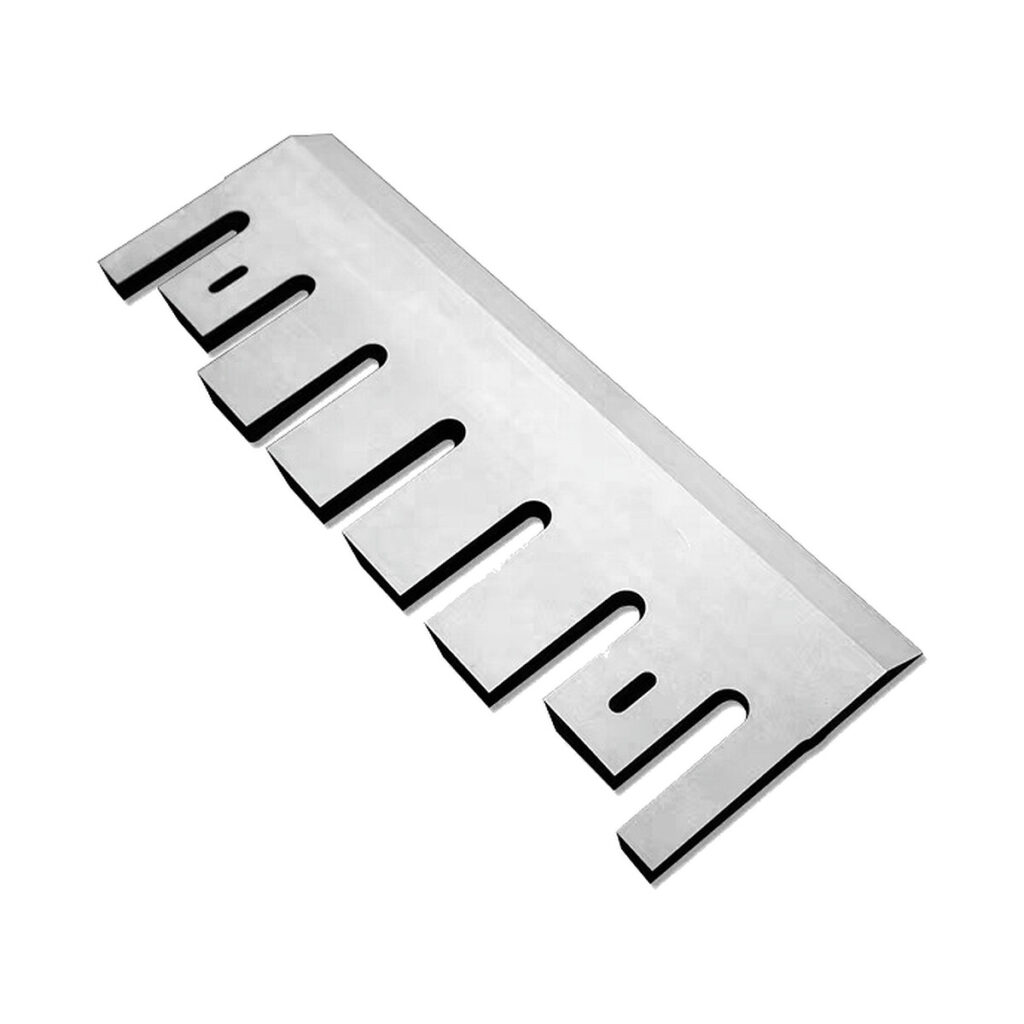
Chipper blades work to produce a material with useful characteristics for its destination.
Powder metallurgical steels can be studied for industrial blades that work in demanding applications. Its choice requires relating the properties of the grade to actual wear: a steel denomination does not by itself guarantee a specific duration.