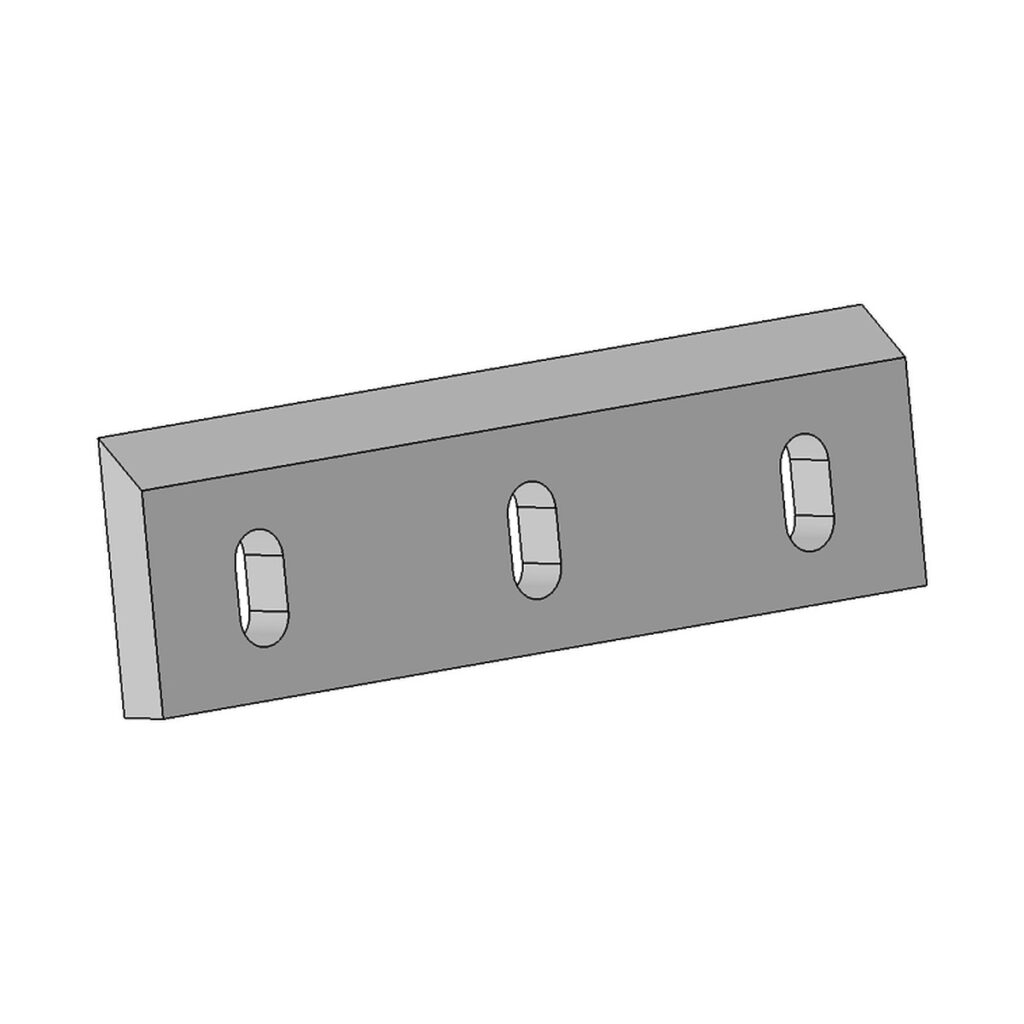
Plastic pipes and profiles: choosing the right reduction
Plastic pipes and profiles may require sizing before entering a mill.
Plastic pipes and profiles may require sizing before entering a mill.
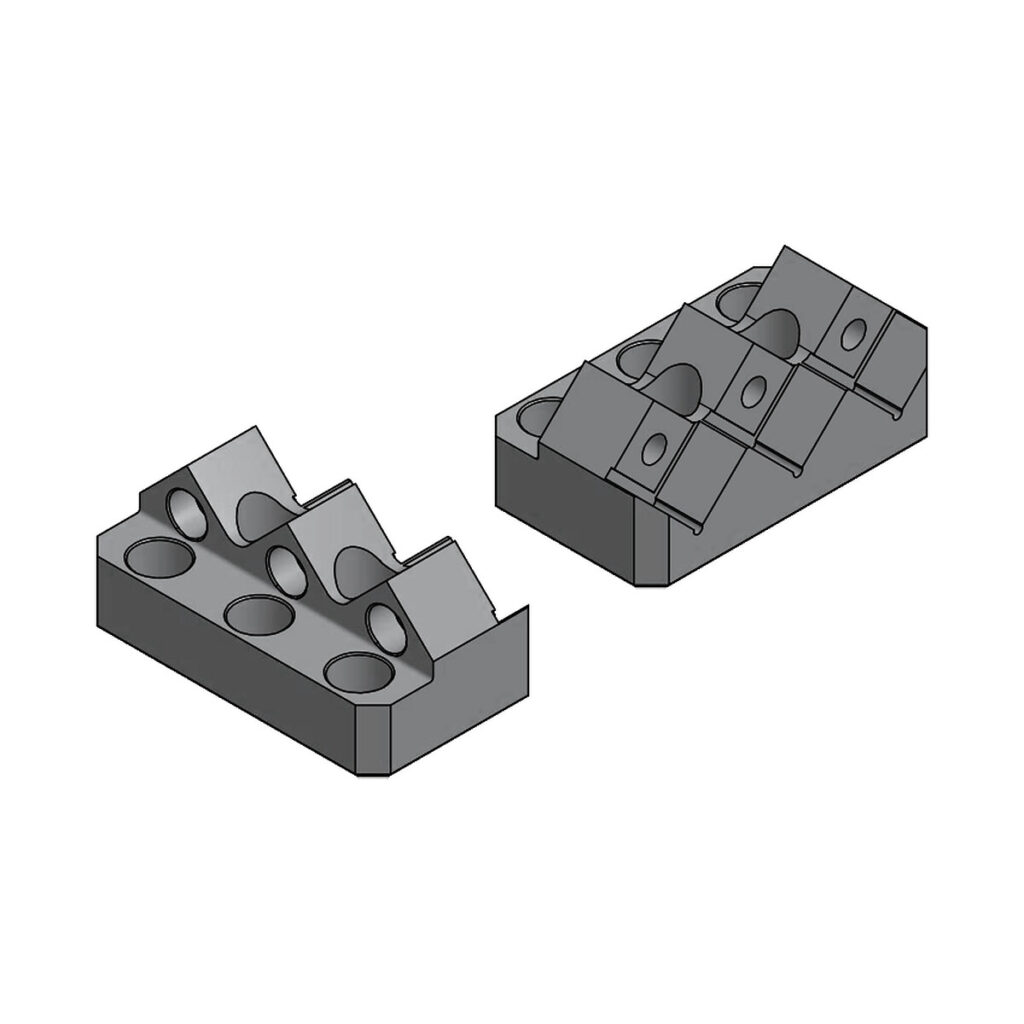
A shredder blade needs correct housing and fixation to work stably. When preparing spare parts for recycling machinery, it is also advisable to check screws, knife holders and support surfaces: changing only the cutting edge can leave the cause of irregular wear unresolved.
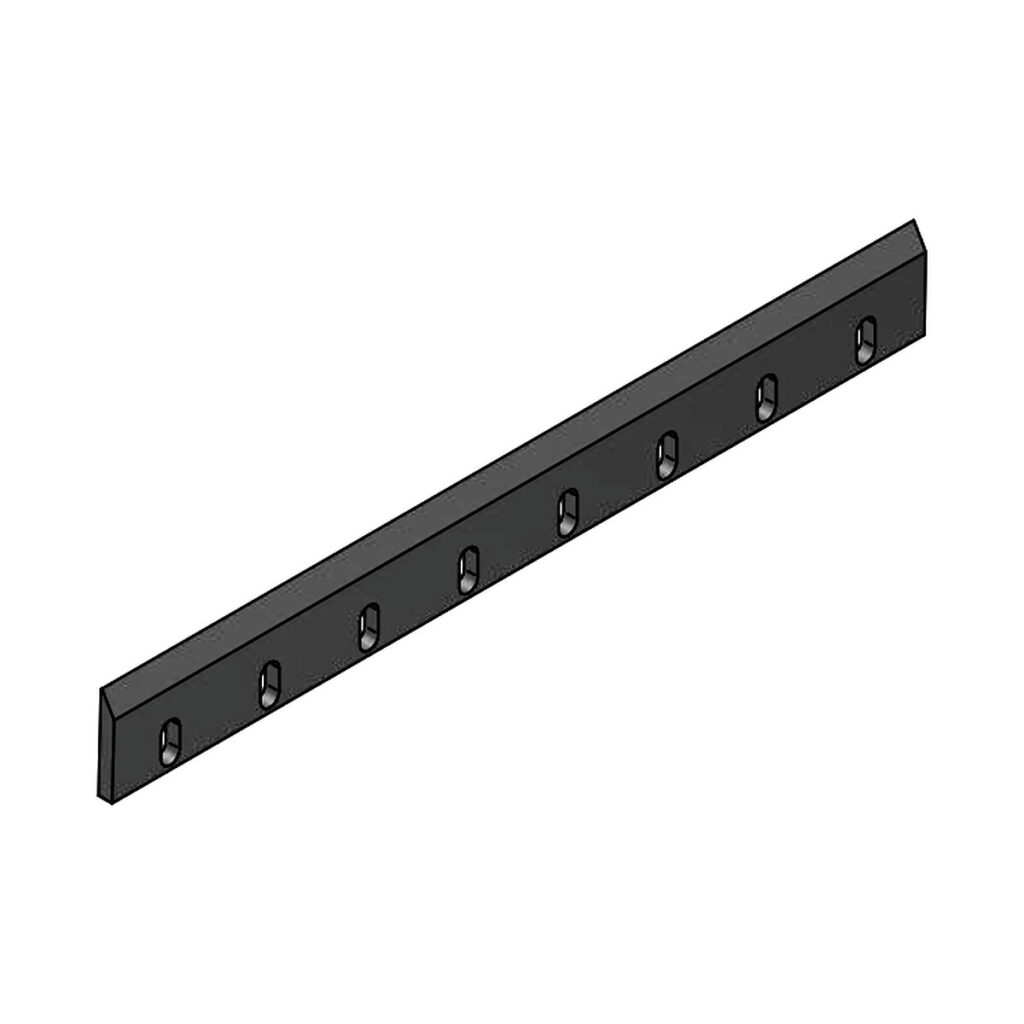
Textile recycling must manage materials that fold, stretch and can tangle.
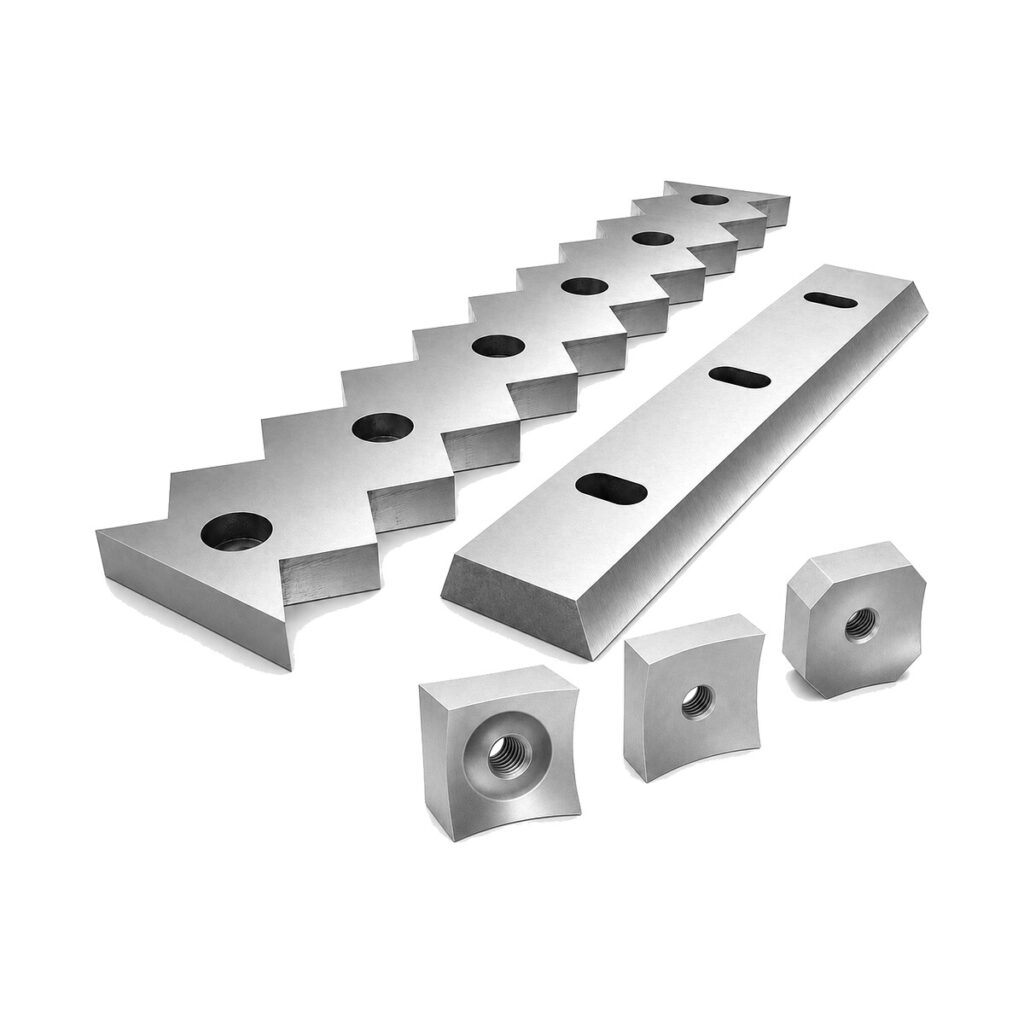
The stock of recycling blades and spare parts must correspond to the actual installation. Buying many parts does not guarantee continuity if a critical reference, a support or a fixation necessary to assemble the cutting set is missing.
Buying industrial blades and recycling parts requires comparing specifications, not just brand names. A compatible component must be studied for the specific machine, while an original reference also needs to be verified against the installed version.
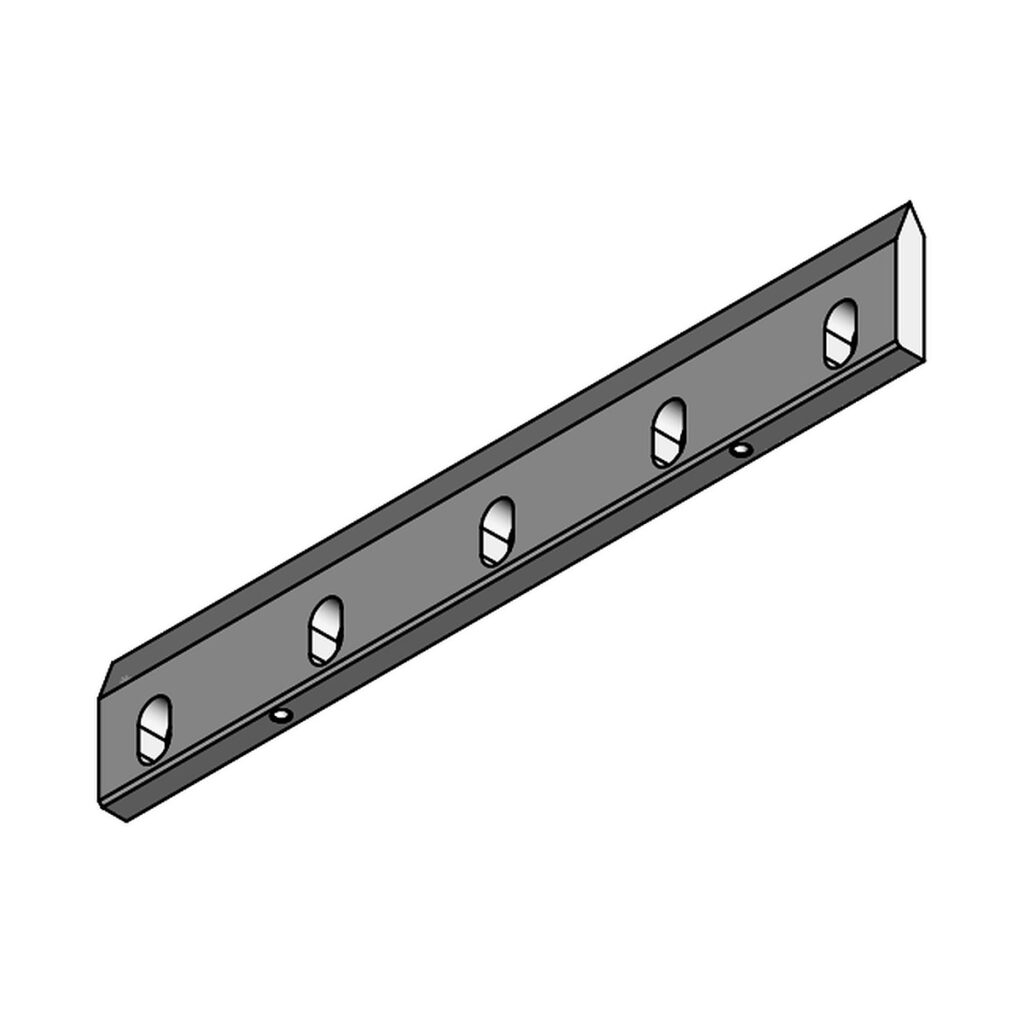
In a cable recycling line, the objective of cutting is to facilitate the release of the conductor and its separation from the insulation.
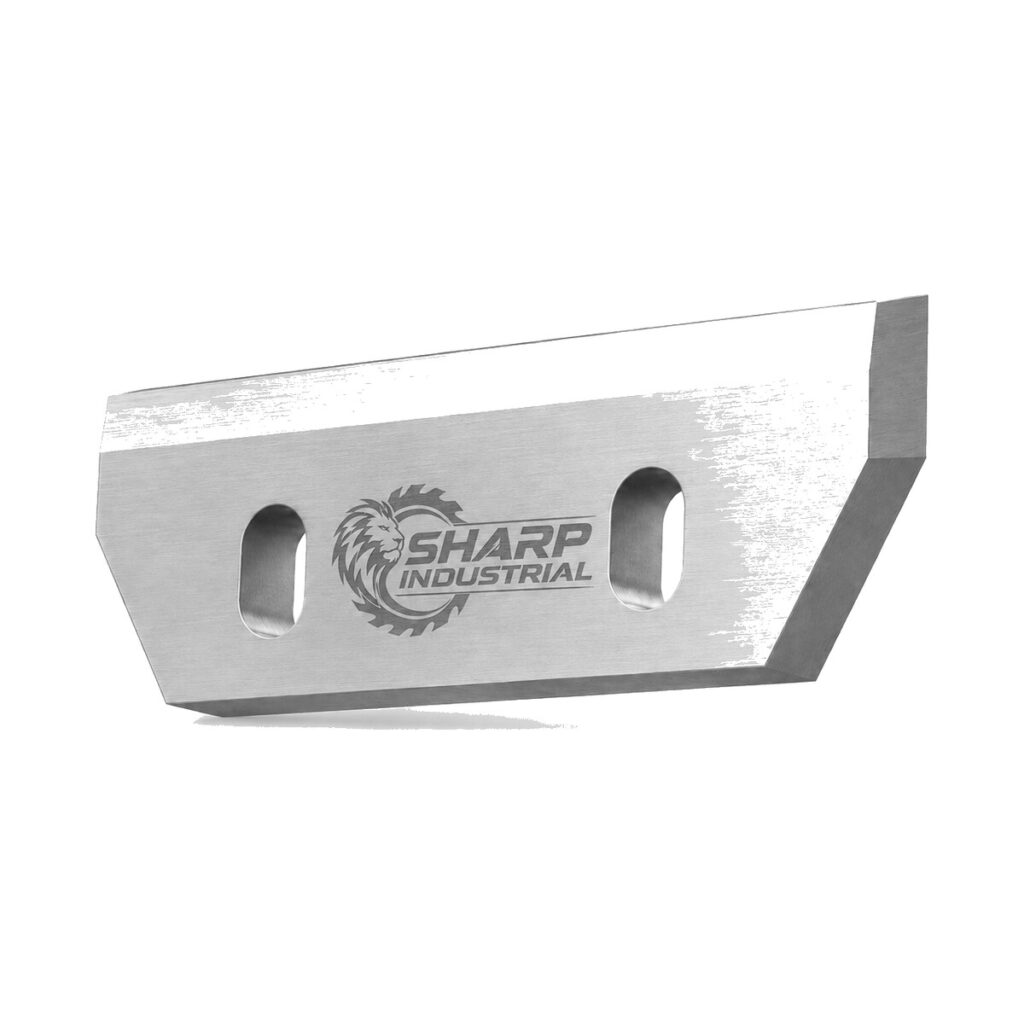
PET recycling knives intervene in a decisive stage: transforming prepared containers into a flake that can be washed, separated and processed regularly.

WEEE shredding is part of a treatment chain that combines preparation, reduction and separation.
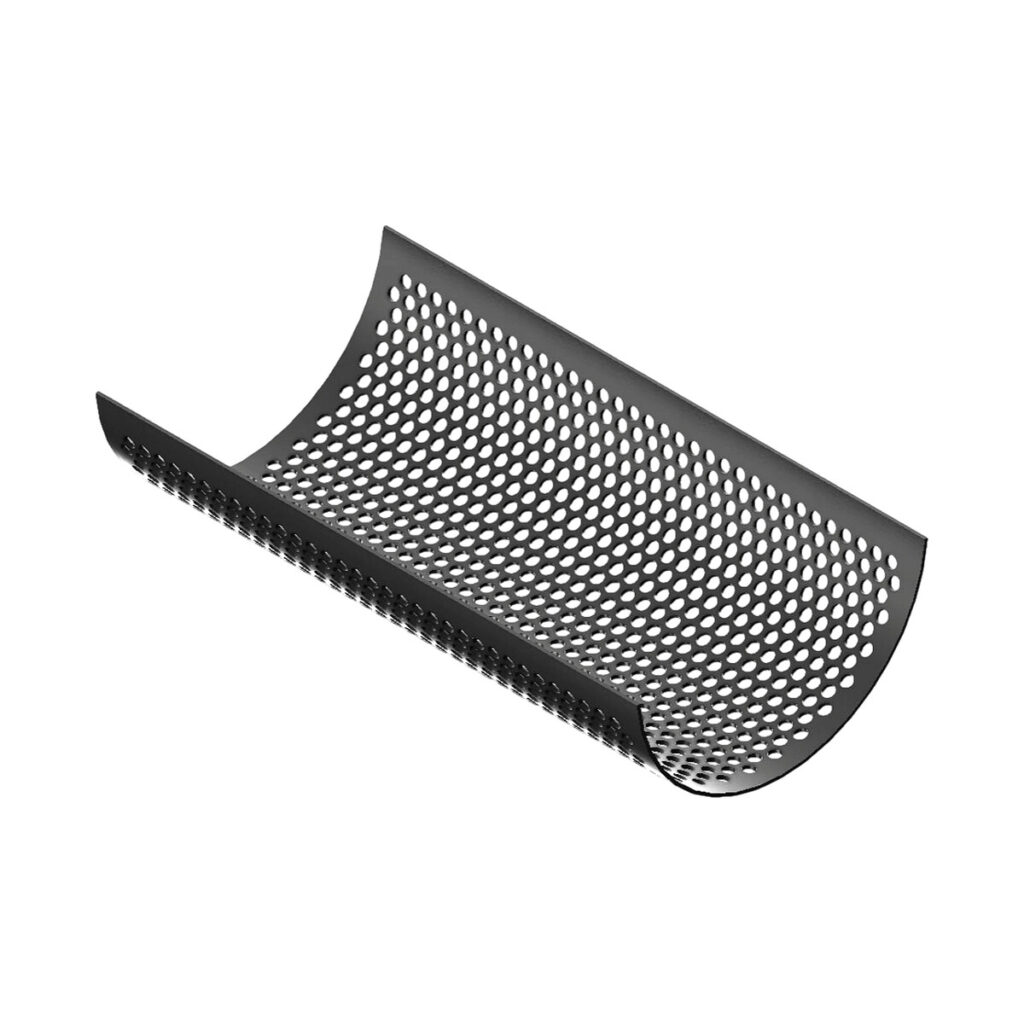
Recycling agricultural plastic can receive film with dirt, humidity and traces of use.
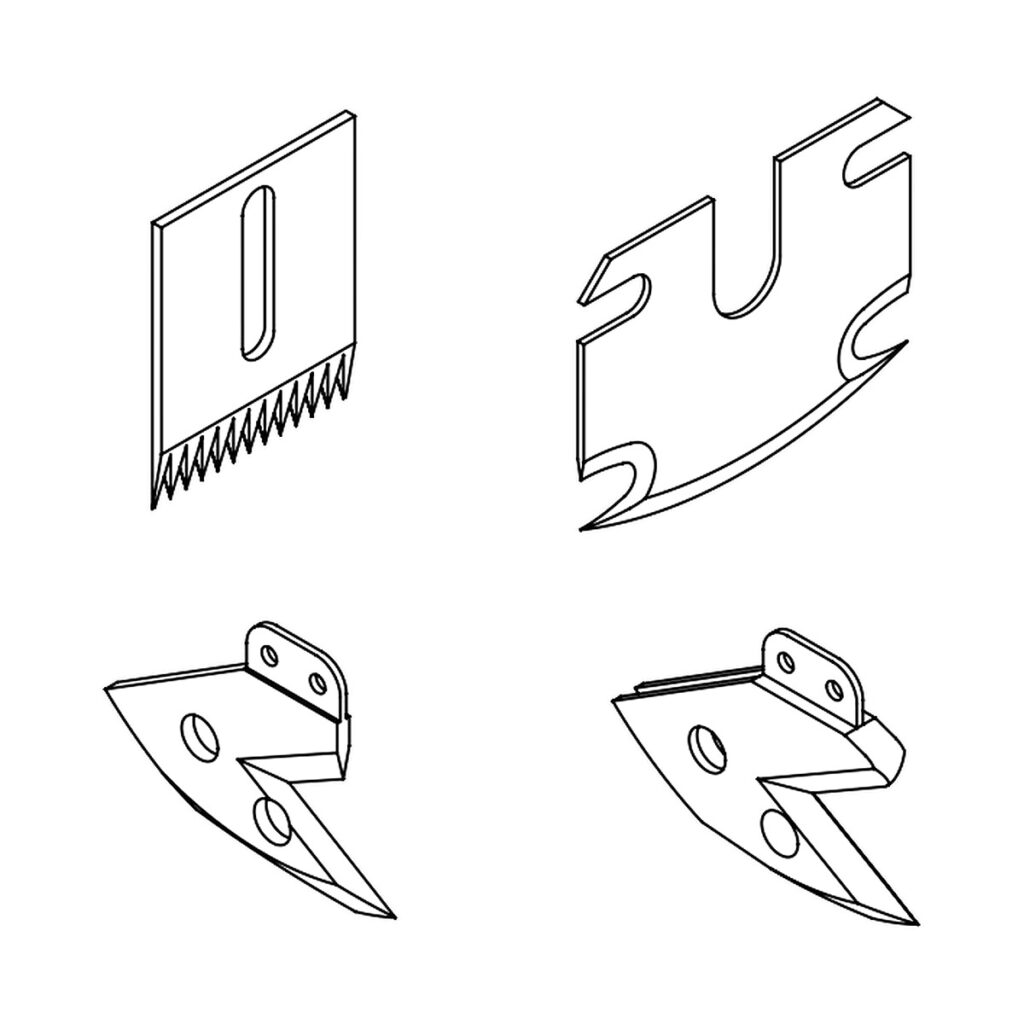
Tire recycling combines rubber, reinforcements and components that require several preparation and separation operations.