Irregular chaff can indicate a problem in cutting, but also changes in feeding, cooling or state of the polymer. Before replacing pelletizer blades, it is advisable to record the defect and relate it to the production conditions.
Describe the defect
Take samples identified by lot and time. Differentiate size variation, tails, fragments and agglomerated particles. Record changes in flow rate, material and temperature. An accurate description helps separate phenomena that may appear the same during a quick inspection.
Review the installed system
Confirm the pelleting principle and refer to the manufacturer’s procedure. With the equipment consigned, examine tools, supports and wear within the authorized scope. The setting should not be copied from a different system or deduced solely from a pellet sample.
Prepare blades and maintenance
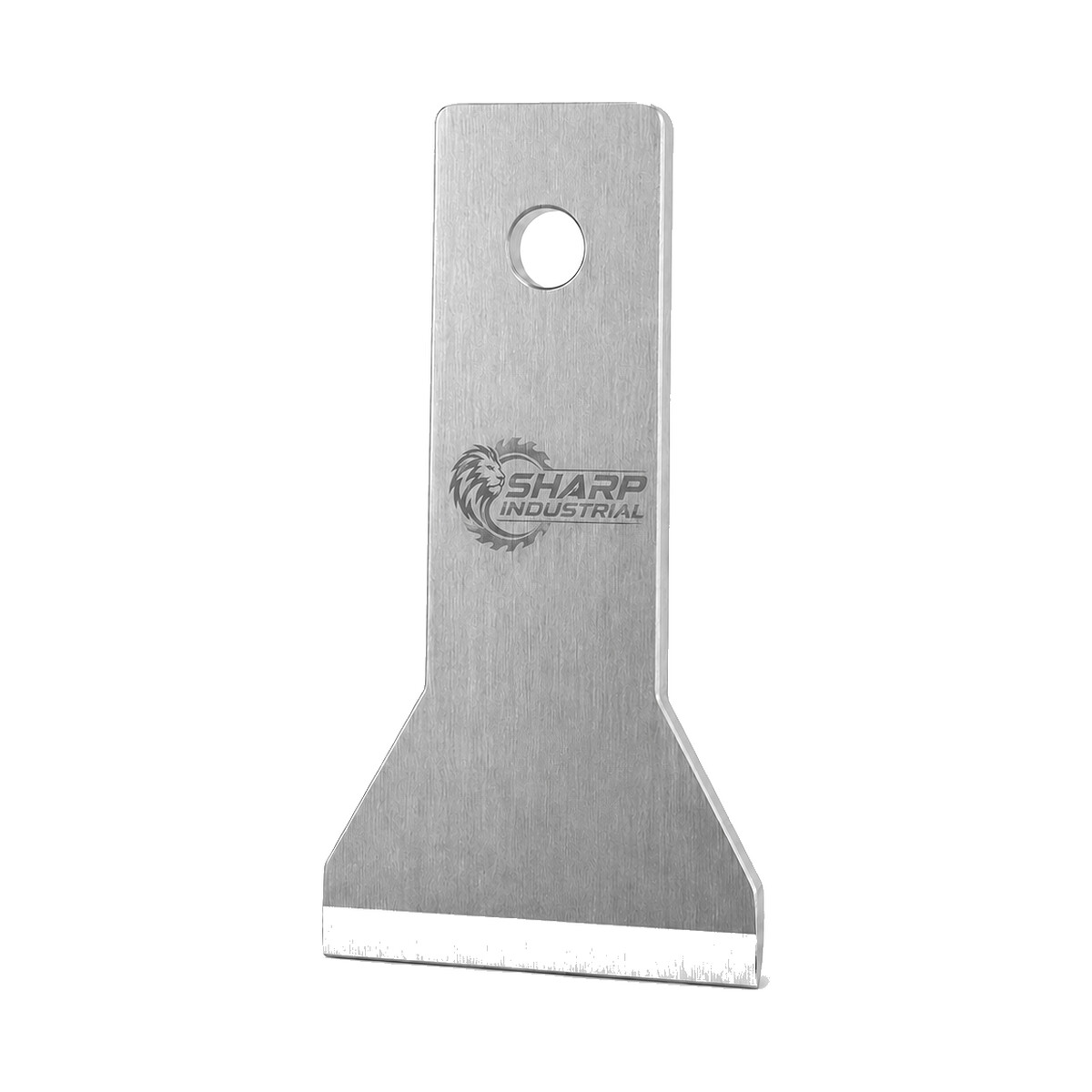
Record reference, geometry and reconditioning limits. For an order, include manufacturer, model and photographs or plan. Check quantity per set and necessary fixings. After an intervention, compare samples with equivalent conditions and observe if the defect persists. The image of a pelletizing tool in the catalog is illustrative; Compatibility with the installation must be confirmed.
Frequently asked question
Does changing blades always correct irregular chaff?
No. The conditions of the material and the stages prior to cutting must also be reviewed.
Technical documentation
MAAG: pelletizing systems. Consult your equipment’s specific documentation for maintenance procedures.
Consult blades and industrial spare parts
Check out our spare parts for industrial machinery and the options sharpening and repair. Send us brand, model, reference, measurements and photographs to study the piece and prepare your budget.