Recycling agricultural plastic can receive film with dirt, humidity and traces of use. These conditions change the work of knives, screens and washing systems. To improve stability, it is advisable to describe the inlet contamination and coordinate the size reduction with the planned cleaning of the line.
Measure variation between batches
Record origin, type of film, humidity and presence of foreign materials. Take representative samples with a constant method. A batch that is very different from the usual one can alter consumption, cleanliness and wear without the machine having changed. Maintaining batch traceability helps explain why some sets of blades last less than others.
Cleaning and reduction must be designed together
Not all lines place the same operations in the same order. The selection of preparation, crushing and washing must respond to the waste and the target product. Herbold documents wet granulation in its recycling solutions, but adding water to unprepared equipment does not turn a dry installation into a wet line. Validate the complete design with the technical managers.
Detect wear and passage restrictions
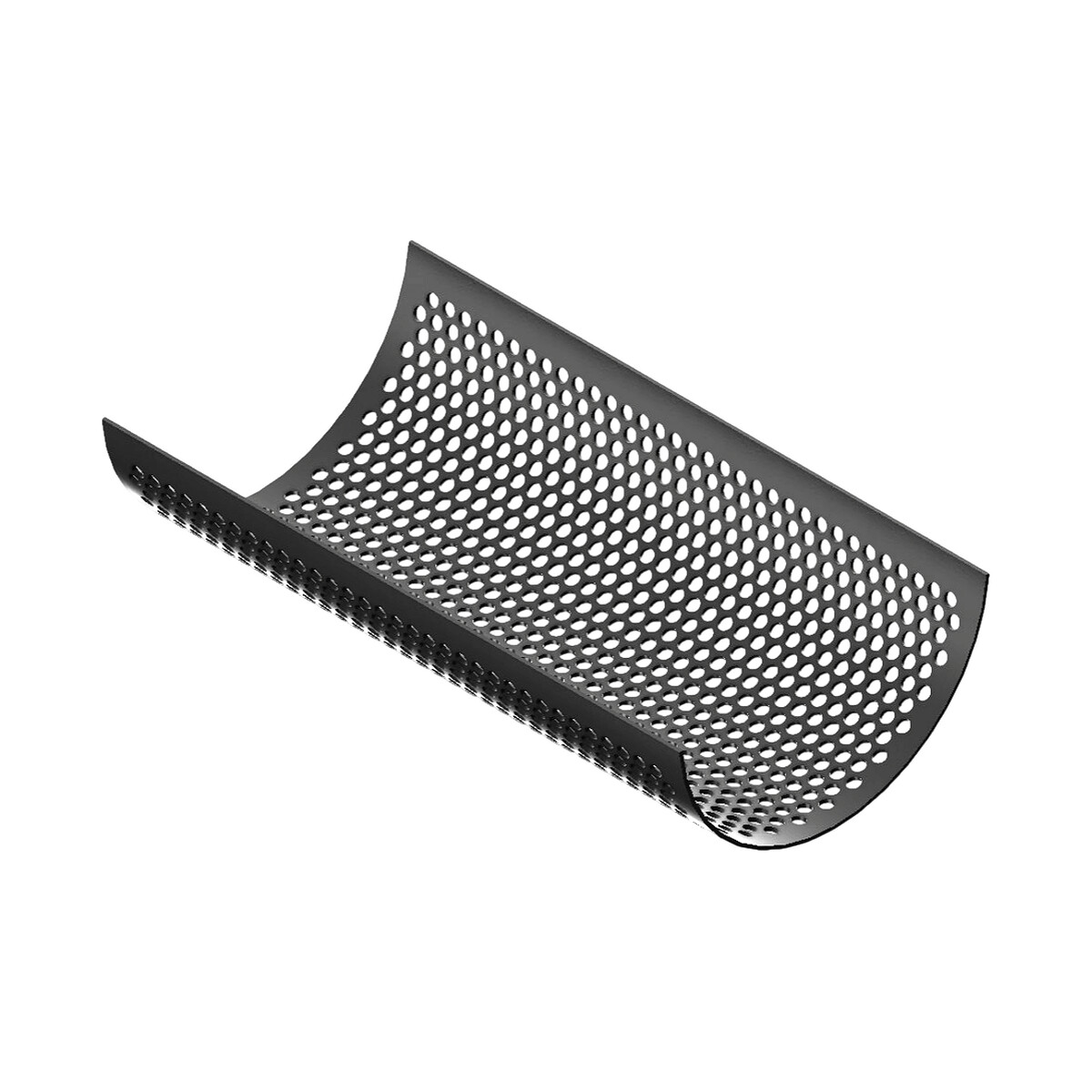
Look for edges, sieve holes and areas where debris accumulates. Compare output samples and record the need for cleaning. A discharge restriction can increase the permanence of the material in the chamber. Also review previous operations: replacing blades without addressing contamination or feeding may leave the cause of lost production untouched.
Define a spare part for the application
In addition to the reference, please describe the actual material and experience of the current game. Indicate what wear appears, in what positions and after how much material processed. Request material and geometry evaluation without promising a universal lifespan. Selection must balance conditions of abrasion, impacts, maintenance and compatibility with the installed equipment.
Frequently asked question
Does a harder steel solve the dirt on the film?
The tool must be evaluated for the application, but is not a substitute for proper waste preparation. Control contamination and process before attributing any improvement to blade material.
Documentation and related reading
Technical reference: Herbold: Wet Granulation Information. The practical observations in this guide must be compared with the documentation of the installed equipment.
Expand information with our related technical guide and consult the Sharp industrial spare parts.
Consult a blade or spare part
Send us your query with brand, model, reference and photographs to study the piece and prepare a quote. For tools in service, also see tool options. sharpening and repair.