Mill and crusher screens receive abrasion, impacts and assembly efforts. A correct replacement combines material, perforation, thickness and support geometry. Choosing solely by hole size can alter the operation of the equipment.
Describe the wear pattern
Photograph thinned areas, warps and cracks. Note if they appear in the passage of the material, next to the supports or around the fixings. That distribution allows questions about abrasion, impact, or assembly to be raised without automatically attributing all damage to the steel.
Manufacture with the necessary dimensions
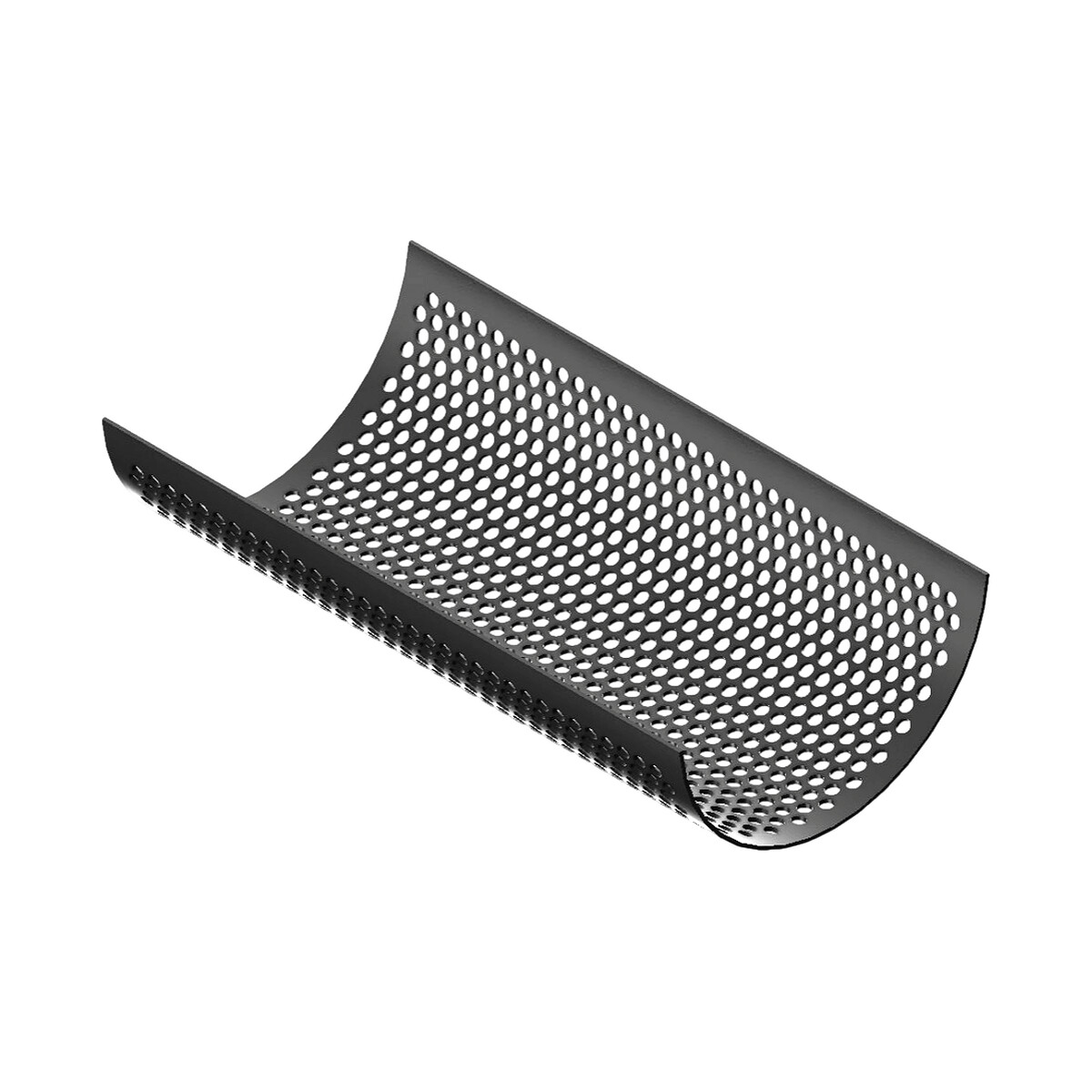
Include open area, drilling pattern, curvature and anchor dimensions. A wear-resistant steel needs a proper cutting and forming process. SSAB documents applications of anti-wear steels in screens; The selection for a specific mill must also consider its manufacturing efforts and limits.
Check the spare part before installing
Check thickness, geometry and absence of damage upon reception. Compare the part with the approved drawing and check the machine supports. After change, observe size distribution and flow stability with equivalent material. Keep a record for reference to assess useful life and replacement without confusing results from different drillings.
Frequently asked question
Does a thicker screen always improve production?
Not necessarily. Changing thickness or perforation can affect the passage of the material and must be validated for the equipment.
Technical documentation
SSAB: wear-resistant screens. Consult your equipment’s specific documentation for maintenance procedures.
Consult blades and industrial spare parts
Check out our spare parts for industrial machinery and the options sharpening and repair. Send us brand, model, reference, measurements and photographs to study the piece and prepare your budget.